Comparing carbon steel and stainless steel only by purchase price leads to poor decisions. Carbon steel often wins on initial cost, availability and structural strength per dollar. Stainless steel wins when corrosion, cleanability, appearance, product contamination or maintenance cost matters more than the initial spend. Neither is universally better; each addresses a different set of risks.
For industrial purchasing, TECTUL recommends separating the decision into environment, fluid, service life, fabrication, inspection and maintenance. A carbon steel SCH40 line may be correct for air, steam or industrial water with corrosion protection. A stainless steel SCH40 line may be justified in clean processes, moderate chloride exposure, frequent washdown or sanitary control. The key is specifying the risk rather than buying by habit.
Carbon steel is based on iron with carbon and controlled additions of other elements. It can be structural, pipe, machinery or high-strength steel depending on standard and treatment. When exposed to moisture and oxygen without protection, it forms porous iron oxides that do not stop corrosion. Coating, galvanizing, inhibitors, insulation control and maintenance are normal parts of its use.
Stainless steel contains enough chromium to form a passive chromium oxide film. That film is thin, adherent and can regenerate in the presence of oxygen when the environment does not exceed the grade resistance. Passivity does not mean immunity. Chlorides, acids, oxygen-depleted crevices, elevated temperature, ferrous contamination and poorly treated welds can break it down and cause localized corrosion.
| Criterion | Carbon steel | 304 stainless | 316 stainless | 430 stainless |
|---|---|---|---|---|
| Initial cost | Generally lower | Higher than carbon steel | Higher than 304 | Often lower than 304/316 |
| Corrosion | Requires protection | Good general resistance in moderate environments | Better chloride pitting resistance than 304 because of molybdenum | Moderate; ferritic, not equivalent to 304 |
| Weldability | Good with suitable procedure and consumable | Good; control sensitization and cleaning | Good; use compatible filler and post-weld cleaning | More limited; heat affected zone and application need care |
| Typical uses | Structures, industrial pipe, coated equipment | Food, equipment, clean water, architecture | Moderate chloride environments, compatible chemicals, non-extreme marine exposure | Covers, decorative parts, appliances, lower corrosion demand |
| Common mistake | Underestimating coating and corrosion under insulation | Using it with chlorides or hypochlorite without review | Assuming it resists every marine or acidic environment | Selling it as universal stainless steel |
In carbon steel, atmospheric and aqueous corrosion is usually visible as general rusting, wall loss, pits and under-deposit corrosion. It is relatively easy to understand: without protection, it is consumed. In stainless steel, damage may be less visible at first and more local. Pitting, crevice corrosion and stress corrosion cracking can occur in the presence of chlorides, temperature and stress. That is why “stainless” is not a specification; grade, finish and environment must be defined.
In a plant with frequent washdown, chlorinated water or coastal air, 304 may work in some locations and fail in others. 316 improves pitting resistance, but it does not replace duplex, super-austenitic or non-metallic materials when service is severe. In stagnant water, gasket crevices and non-draining joints, even a good grade can suffer. Hygienic design and post-weld cleaning matter as much as alloy selection.
Carbon steel has an advantage when coating, inspection and maintenance are viable. It also fits high local availability, heavy sections, structural loads and frequent repair. However, initial savings disappear if the plant must stop for recoating, section replacement, leak control or rust contamination removal. Stainless steel can be more expensive to buy and fabricate, but it reduces maintenance in compatible services.
The correct calculation includes material, cutting, welding, consumables, surface treatment, passivation, coating, testing, replacement parts, downtime and failure consequences. If a rusty outdoor handrail mainly affects appearance, painted carbon steel may be sufficient. If a line contaminates food, fine chemicals or process water, the consequence changes the decision.
Carbon steel is welded with common processes and consumables selected by strength and service; for example, E7018 is widely used in carbon steel structures where low hydrogen is required. Stainless steel requires control of heat input, cleaning, backing when applicable, cross contamination and compatible filler metal. Welding stainless with tools contaminated by carbon steel can leave ferrous particles that rust and damage passivity.
For austenitic 304/316 stainless steels, L grades reduce carbon to lower sensitization risk during welding. With 430, a ferritic grade, welding and the heat affected zone require more care and should not be treated as if the material were 304. For critical components, buyers should require WPS, filler metal, cleaning procedure and acceptance criteria.
304 is the most common austenitic stainless grade for general fabrication, equipment, commercial kitchens, clean water and moderate environments. It is a good first option when significant chlorides, aggressive acids and temperature-accelerated corrosion are not present.
316 contains molybdenum and improves localized corrosion resistance in chloride exposure compared with 304. It is common in moderate marine atmospheres, compatible chemicals, salty food products and more demanding cleaning. It should not be sold as a universal marine grade; seawater immersion or high chloride conditions may require higher alloys.
430 is ferritic, with chromium but without the full property package of 304/316. It can be useful in decorative or lower-duty parts where lower cost is important. It is not the default choice for process piping, critical welding or chloride-bearing aggressive washdown.
Before approving a substitution, ask what happens if the material rusts, whether the surface will be visible, whether it will contact product, whether it will be cleaned with chemicals and whether the part will be welded after installation. For an indoor structural base, painted carbon steel may be sufficient. For a tray receiving salty condensate, 304 stainless may be insufficient. For an indoor decorative cover, 430 may be reasonable. For piping with chlorides, temperature and stagnant zones, even 316 deserves deeper review.
Product form also matters. Sheet, bar, fasteners, pipe and fittings are not always available in the same grades, finishes or certifications. Mixing fasteners of one material with a structure of another can create galvanic couples. If the project requires traceability, buy the whole system under the same documentation logic.
An acceptable equivalency should compare standard, composition, mechanical properties, product form, finish, weldability and corrosion resistance in the real environment. It is not enough to say that two materials are “similar”. If painted carbon steel is changed to stainless steel, review stiffness, contact with other metals, finish and fabrication cost. If 316 is changed to 304, document why chlorides and cleaning will not compromise service life. If 304 is changed to 430, confirm that the application does not rely on austenitic toughness or weldability.
Use carbon steel when the environment can be controlled, corrosion maintenance is feasible and initial cost is decisive. Use 304 for moderate environments and clean processes without relevant chlorides. Use 316 when chlorides, salts or washdown justify additional resistance, while checking its limits. Reserve 430 for low-demand applications where lower cost does not compromise safety or service life. For TECTUL, a good specification states fluid, temperature, environment, cleaning, welding and expected life; material selection follows those facts, not price alone.
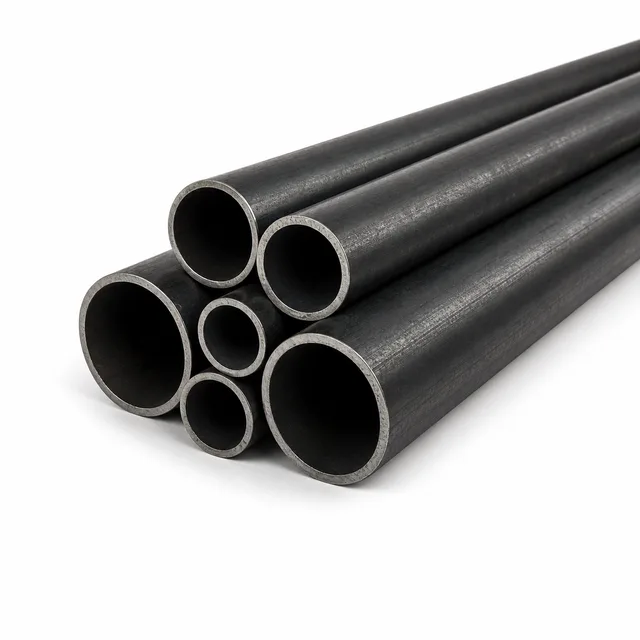 tubo acero al carbon sch40
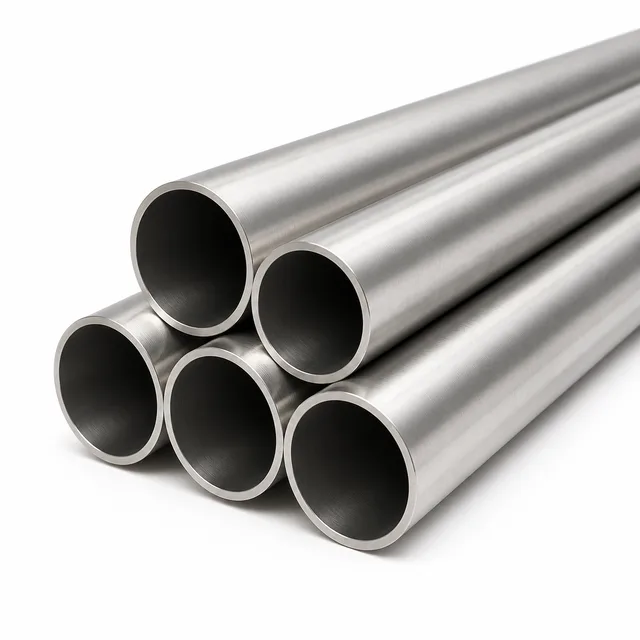 tubo acero inoxidable sch40 sin costura
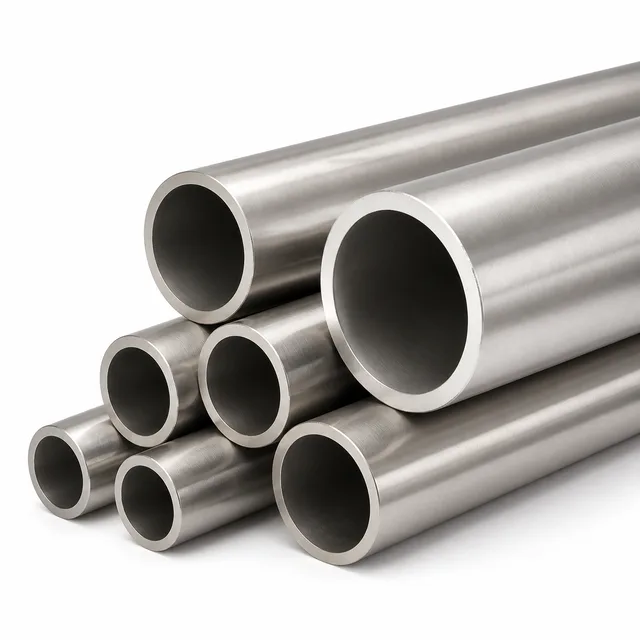 tubo acero inoxidable sch10 sin costura