The 9018 electrode is not a common maintenance electrode. Under AWS A5.5, classifications such as E9018-B3 and E9018-G are low-alloy SMAW electrodes with 90 ksi-series strength and low-hydrogen coating. They are used when base metal, service temperature, required strength or procedure demands properties beyond a conventional E7018.
This guide consolidates the search “9018 welding” and explains what it is for and how to use it. TECTUL carries references such as E9018-B3 chromium-molybdenum and E9018-G high-strength. Selection must come from the WPS, base metal and datasheet; it should not be based on nominal strength alone.
The letter E identifies the electrode. 90 indicates deposited weld metal in the 90 ksi tensile strength series. 1 indicates all-position capability under the classification. 8 corresponds to a low-hydrogen iron-powder coating. In AWS A5.5, suffixes such as B3, G and others add low-alloy composition requirements.
E9018-B3 is associated with chromium-molybdenum deposits for compatible steels and temperature service. E9018-G is a broader low-alloy classification with chemistry defined by the manufacturer within standard requirements. Therefore, two E9018-G products may not be identical: certificate and datasheet must be reviewed.
| Classification | Family | Indicative use | Critical control |
|---|---|---|---|
| E9018-B3 | Cr-Mo low alloy | Piping, vessels or equipment with compatible steels | Preheat, PWHT if required and low hydrogen |
| E9018-G | General-composition low alloy | High strength according to WPS | Verify manufacturer chemistry and properties |
| E8018-B2 | Lower-strength Cr-Mo | Services compatible with B2 | Do not substitute with B3 without engineering |
| E7018 | Carbon steel low hydrogen | General structural work | Does not replace 9018 requirements |
E9018-B3 is used on chromium-molybdenum low-alloy steels when the procedure requires metallurgical compatibility and strength. It may appear in process piping, maintenance of equipment exposed to temperature, plant components and joints where the designer requires specific properties. It should not be applied to any carbon steel simply because it is “stronger”.
Cr-Mo steels are sensitive to hydrogen, heat-affected-zone hardness, preheat and postweld heat treatment when the code or procedure requires it. Welding must respect preheat temperature, interpass temperature, technique, electrode drying and documentation control.
E9018-G covers high-strength low-alloy electrodes with chemistry not grouped into other specific suffixes. Its advantage is allowing formulations for strength, toughness or a particular application. Its risk is that buyers treat it as generic without reviewing the manufacturer datasheet.
When the WPS calls for E9018-G, lot, brand and chemistry matter. If the manufacturer changes, confirm the new consumable meets the same impact, diffusible hydrogen, polarity, heat treatment and base-metal requirements. In code work, substitution without approval can invalidate the procedure.
As a low-hydrogen electrode, 9018 requires dry storage, exposure control and ovens when the procedure requires them. The arc is kept short, with steady travel and interpass cleaning. In high-strength or low-alloy steels, hydrogen discipline is as important as visible bead shape: moisture in the coating can increase delayed cracking risk.
Preheat is not optional when the WPS requires it. It depends on base metal, thickness, restraint, carbon equivalent and service. Some jobs also require postweld heat treatment. If the buyer does not know these requirements, technical support should be requested before releasing the consumable to production.
Amperage ranges vary by manufacturer and diameter. 9018 electrode datasheets show each diameter has a recommended current and polarity window; publishing one universal value would be incorrect. The power source must maintain current without instability, especially with larger diameters or long welds.
| Variable | Decision | Risk if ignored |
|---|---|---|
| Diameter | By thickness, position and WPS | Excessive heat or low productivity |
| Amperage | Exact datasheet range | Lack of fusion, spatter or overheating |
| Preheat | By WPS and base metal | Hydrogen cracking or high hardness |
| Storage | Dry and controlled | Loss of low-hydrogen condition |
| Certificate | By lot when applicable | Lack of traceability |
In applications where E9018 appears, preheat is often an essential variable. It is not set by habit, but by base metal, thickness, restraint, carbon equivalent and code. Its function is to reduce cooling rate, control hardness and reduce hydrogen cracking risk. If the WPS states a minimum temperature, it must be measured on the workpiece and maintained during welding.
Postweld heat treatment, when applicable, is not an informal recommendation either. In Cr-Mo steels it may be part of metallurgical control to relieve stresses and adjust properties. Buying the correct electrode does not compensate for omitting PWHT when the procedure requires it. Purchasing should therefore coordinate with quality and welding before accepting substitutions of brand, suffix or diameter.
In demanding work, the consumable should arrive with legible identification, lot and certificate. The store room should preserve packaging and record opening, baking and issue when the procedure requires it. In the field, stubs and exposed electrodes should not return mixed to the oven without control. Traceability is not paperwork for its own sake: it proves that the deposited metal corresponds to the qualified procedure.
E9018 selection depends on base metal. In low-alloy steels, the deposit must provide compatible strength and chemistry without creating a heat-affected zone that is too hard or crack-sensitive. If the base metal is unknown, choosing a high-strength electrode is not enough. Material, thickness, heat-treated condition and fabrication code must be identified first.
In maintenance, many failures occur when high-strength parts are welded as if they were ordinary carbon steel. The bead may look acceptable and still fail later because of hydrogen, hardness or missing heat treatment. E9018 is therefore purchased with technical information; it is not a reference for solving urgent work without diagnosis.
The store room should separate E9018-B3, E9018-G and other low-hydrogen electrodes to avoid substitutions. The label should remain available until the lot is consumed. If packages are split, the secondary container should identify classification, brand, diameter and lot. In auditable work, this discipline prevents the welder from receiving an electrode that looks similar but is metallurgically different.
E7018 and E9018 share the low-hydrogen logic, but they do not serve the same role. E7018 is a widely used carbon steel structural reference; E9018 belongs to low-alloy and high-strength work. Replacing one with the other changes strength, chemistry and possible thermal requirements. If the drawing states 9018, buy 9018 with the correct suffix and certificate.
The purchasing package should also state whether impact properties, diffusible hydrogen designator, baking conditions or postweld heat treatment restrictions apply. Those details prevent a visually similar electrode from entering a critical weld. When the job is urgent, the correct shortcut is to confirm the WPS and certificate quickly, not to downgrade the classification in production work.
Use E9018 only when the procedure, base metal or engineering requires it. For compatible Cr-Mo service, review E9018-B3; for high strength with manufacturer-specific composition, review E9018-G. In the request, state standard, diameter, accepted brand, lot, WPS, base metal, preheat and certificate requirement. TECTUL can help compare the reference with E8018-B2, E7018 or higher-strength electrodes when the application justifies it.
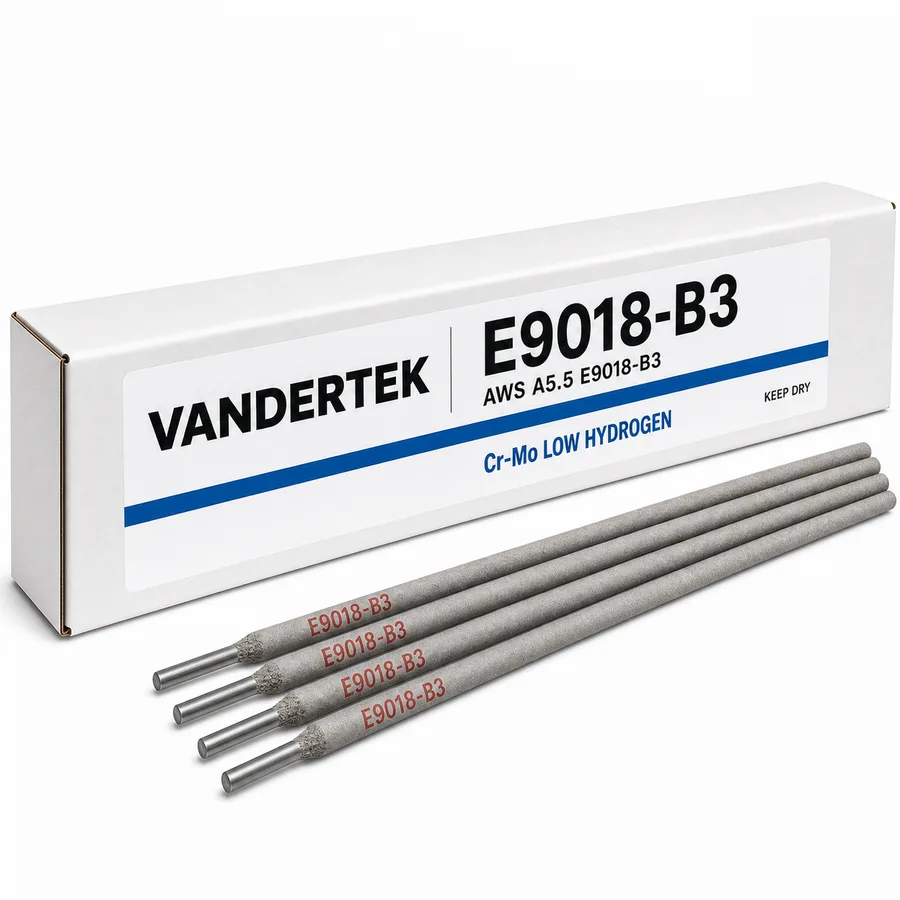 electrodo e9018 b3 cromo molibdeno generico
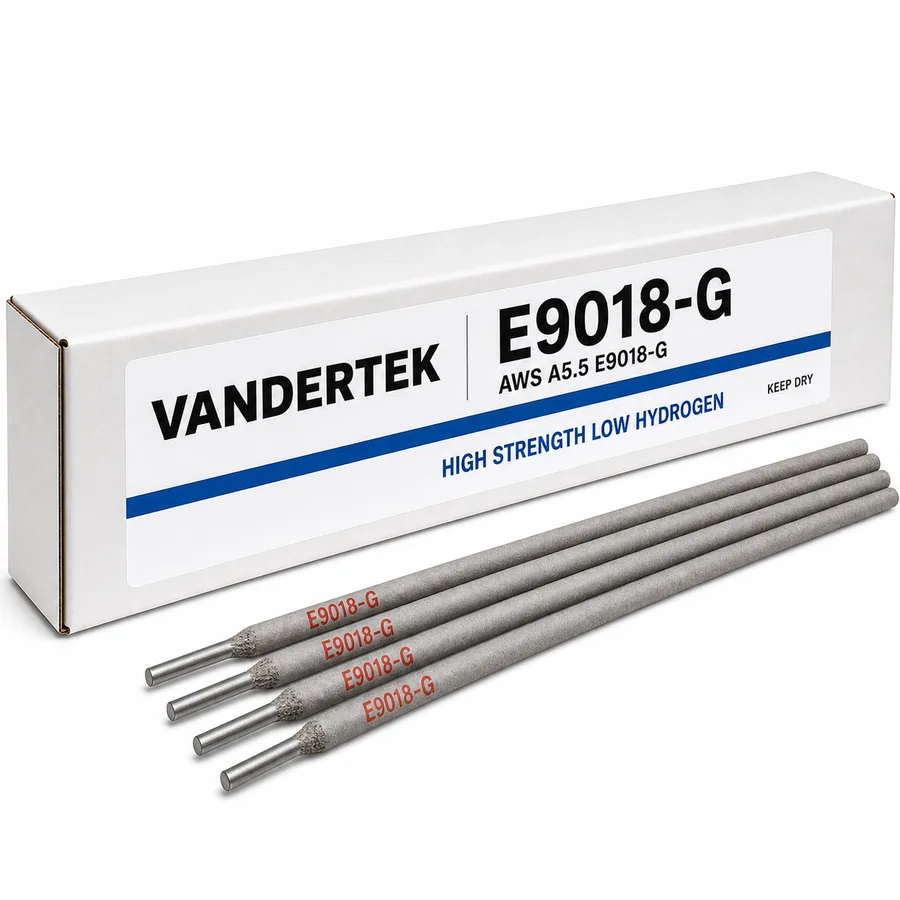 electrodo e9018 g alta resistencia generico
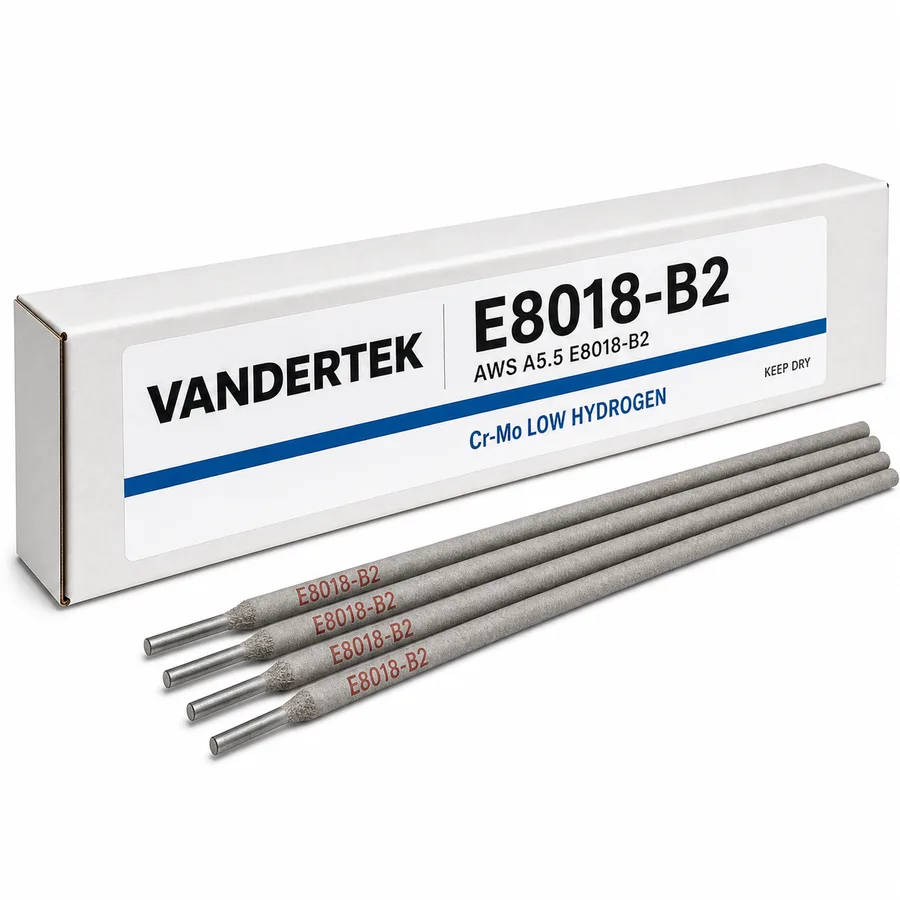 electrodo e8018 b2 cromo molibdeno generico