Stud bolt sizes for flanges are not defined by eye or by whatever length is left in stock. A correct stud must pass through both flanges, the gasket, washers if the procedure uses them, and provide enough thread engagement in two nuts without excessive projection that interferes with assembly or insufficient engagement that compromises the joint.
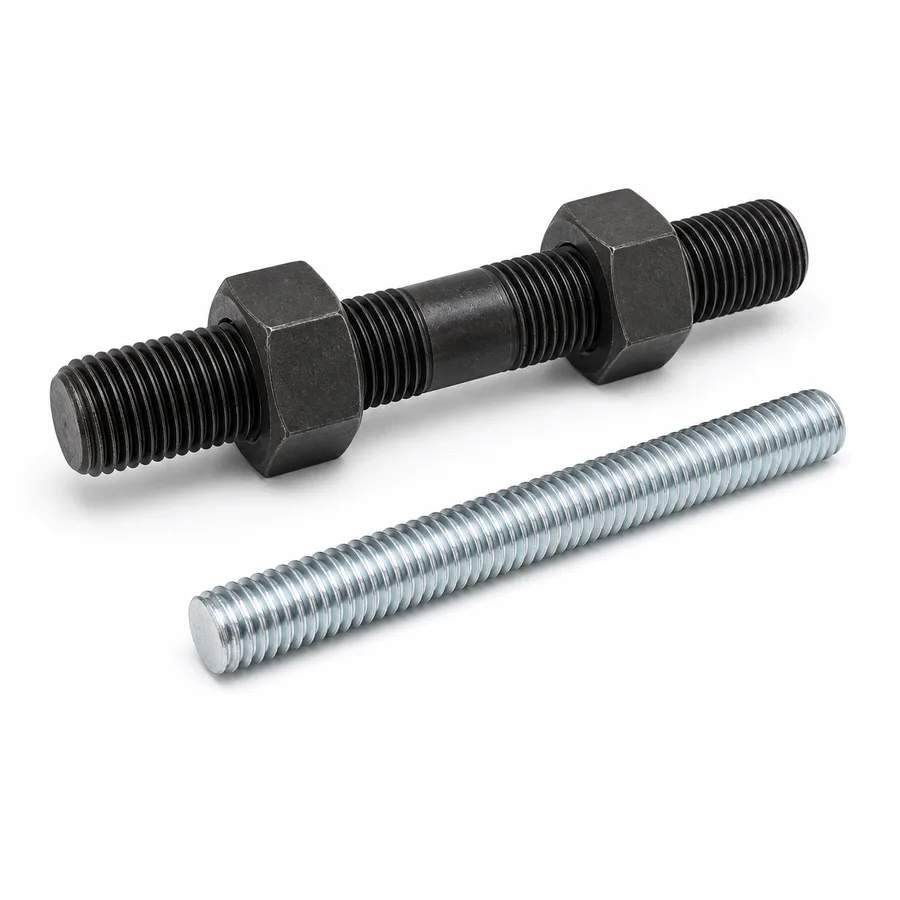
This guide consolidates searches about stud bolt sizes, tables and selection. TECTUL supplies ASTM A193 B7 studs, B7 threaded rod, flange stud bolts and carbon steel flanges. When exact length by NPS and class has not been verified against ASME B16.5 or the project drawing, it should not be published as a closed number.
A responsible order includes material standard, diameter, thread pitch, total length, finish, number of nuts, nut standard, flange class, pipe nominal size, gasket type and service condition. In ASME B16.5 flanges, the bolt pattern depends on NPS and pressure class. Moving from Class 150 to Class 300 can change bolt quantity, diameter or length, so copying a similar flange list is poor practice.
Length also depends on flange type, raised or flat face, gasket thickness, washers, tolerances and assembly practice. For critical joints, use the flange manufacturer table, the applicable standard or the approved isometric drawing. Pipe diameter alone is incomplete information.
| Element | What to specify | Technical reference | Risk if omitted |
|---|---|---|---|
| Stud material | ASTM A193 B7, B8 or other grade | ASTM A193/A193M | Wrong strength or compatibility |
| Nuts | Two nuts, ASTM A194 2H for B7 when applicable | ASTM A194/A194M | Insufficient thread or strength |
| Thread | UNC for inch diameters, class as purchased | ASME B1.1 | Nut or template mismatch |
| Length | Total length from verified drawing or table | ASME B16.5 and assembly practice | Poor engagement or excess projection |
| Finish | Plain, galvanized, stainless or other | Supply datasheet | Corrosion or coating interference |
ASTM A193 covers bolts, studs and other threaded components for high-temperature or high-pressure service. B7 is a heat-treated alloy steel widely used in carbon steel flanges. B8 is austenitic stainless steel and is used when corrosion, material compatibility or specification requires it. They are not interchangeable for convenience: strength, thermal behavior and corrosion resistance change.
In a typical flanged joint with B7, two heavy ASTM A194 2H nuts are specified unless the design indicates another combination. The nut must match strength, thread and finish. If the stud is galvanized, nuts may require overtapping or fit control to compensate for coating. In stainless steel, galling risk must be addressed with compatible lubrication.
In ASME flanges, inch stud bolts normally use UNC threads. Diameter is not selected by the installer’s preference but by the flange pattern. Bolt diameter must match the hole, flange class and required load. Using a smaller diameter because it “fits easily” reduces tensile area and changes gasket load distribution.
| Nominal diameter | Usual UNC thread | Indicative use | Purchasing note |
|---|---|---|---|
| 1/2 in. | 13 threads per inch | Small flanges and equipment by pattern | Confirm flange class |
| 5/8 in. | 11 threads per inch | Medium joints | Purchase with two compatible nuts |
| 3/4 in. | 10 threads per inch | Very common in industrial flanges | Verify total length |
| 7/8 in. | 9 threads per inch | Higher classes or sizes | Check availability and finish |
| 1 in. | 8 threads per inch | Higher-load flanges | Confirm A194 heavy nut |
The search “stud length by class” usually asks for a quick table for Class 150, 300, 600 and above. That table is only safe when it states NPS, flange type, face, gasket and standard used. ASME B16.5 defines flange dimensions and bolt patterns, but final purchase length can vary with gasket, washers, heavy nuts and thread projection criterion.
As an engineering rule, do not publish a closed length when a verified manufacturer table or drawing is unavailable. In purchasing, request “ASTM A193 B7 stud bolt, X UNC diameter, Y total length, with two ASTM A194 2H nuts” and attach the drawing or bill of materials. If length is calculated, it must be checked against flange thickness, gasket and nut height.
The stud must allow each nut to develop enough thread engagement. In flange assembly, visible thread beyond the nut after tightening is normally expected, without excessive projection that interferes with insulation, guards or wrench access. Projection does not fix a poorly selected length; it only shows the nut is not at the edge.
Clamp load depends on lubrication, thread condition, torque method and tightening sequence. PCC-1 emphasizes assembly control, cleaning, alignment and gradual tightening. A correct stud that is poorly lubricated or tightened in a poor sequence can leak just like an incorrect stud.
| Service | Likely material | Nut | Comment |
|---|---|---|---|
| Carbon steel flange in compatible service | ASTM A193 B7 | ASTM A194 2H | The combination must be checked against temperature, pressure and specification |
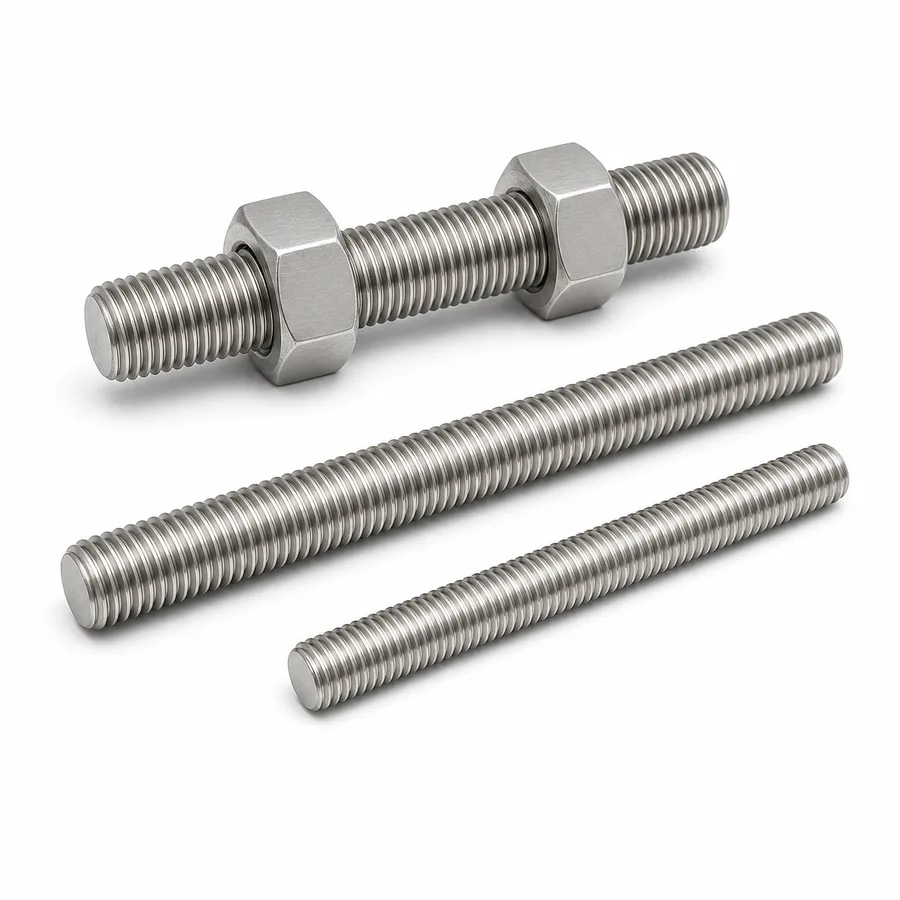
| Corrosive environment or stainless requirement | ASTM A193 B8 or specified grade | Compatible stainless nut | Control galling and lubrication |
| Non-pressure joint or light support | Common threaded rod by design | Compatible nut | Does not replace pressure bolting |
| Flange with spiral wound gasket | By class and assembly procedure | Compatible with stud | Requires enough bolt load |
When receiving studs, check identification, diameter, length, pitch, finish, nut quantity and thread condition. Threads should be clean and free from damage that prevents manual nut running. If the order requires a certificate, the physical lot must match the document. In pressure joints, separating studs by lot and size prevents mixing during assembly.
Before installation, clean flange faces, confirm gasket and lubricate threads according to procedure. Tightening should be done in a cross pattern and stages, not in one pass around the flange. A correct B7 and 2H set can fail if installed with misalignment, dry threads, mixed stud lengths or uncontrolled torque.
Published stud tables are useful, but they are not a substitute for engineering review. They normally assume standard flange dimensions, standard gasket thickness and common nut patterns. If the joint uses special flanges, insulating gasket kits, thick washers, spectacle blinds or nonstandard faces, the required length can change. Procurement should treat the table as a starting point and the approved drawing as the controlling document.
For maintenance work, measuring a removed stud can help only if the old installation was correct. If the previous joint leaked, had uneven projection or mixed hardware, copying it repeats the problem. A better practice is to identify the flange standard, confirm gasket type and rebuild the specification from those data.
For ASME flanges in industrial service, buy the complete set: stud, two compatible nuts, finish and documentation. Use verified tables by NPS and class, or the project drawing, for length. If the table is not available, do not guess: send TECTUL the flange, class, gasket and service condition to define a defensible specification.
 astm a193 esparrago b7 esparrago b7astm a193 varilla b7 metro o
 varilla roscada por metro unc inoxidable 304 a2 inoxidable