In a ball valve, full bore means the ball opening approaches the pipe internal diameter; reduced bore means the opening is smaller and contracts the flow. The decision affects pressure loss, local velocity, torque, valve size, cost and the ability to pass tools or solids through the line.
This article owns the full bore and reduced bore topic. To select with TECTUL, review data sheets that declare direct flow path or ball construction, such as the flanged stainless steel ball valve, the flanged carbon steel ball valve, the 1000 psi carbon steel ball valve, the class 3000 carbon steel ball valve and the six-bolt stainless steel ball valve.
The bore diameter is the free diameter of the hole through the ball. It does not always match the nominal valve size or the exact pipe internal diameter. In standards such as API Standard 608:2025 and ISO 17292:2015, bore categories are treated at three levels: full bore, reduced bore (single reduced bore in the API 608 wording) and double reduced bore, with minimum bore diameters tabulated by size and pressure class. The purchase should request the manufacturer's bore designation or the actual orifice diameter when hydraulic calculation requires it.
A valve may be called two inches and still not have an internal opening identical to a two-inch pipe. That does not make it wrong by itself; it only means it was designed with a particular bore. For common shutoff services, reduced bore may work well. For services with low-loss requirements, mechanical internal cleaning or solids, that reduction can become the point that defines the purchase.
| Criterion | Full bore | Reduced bore | How to decide |
|---|---|---|---|
| Flow area | Closer to the pipe | Smaller than the pipe | Use manufacturer data, not visual assumption |
| Pressure loss | Lower when open | Higher from contraction and expansion | Important in long lines or sensitive pumps |
| Local velocity | Lower for the same flow | Higher in the orifice | Review erosion, noise and solids |
| Torque | May be higher because the ball is larger | May be lower | Important for automation |
| Cost and weight | Often higher | Lower | Reduced bore can be correct in auxiliary services |
| Pigging | May be required | Not recommended | Confirm free diameter and internal transitions |
Pressure loss occurs when fluid accelerates through a restriction and then partially recovers section downstream. That contraction and expansion converts part of the energy into turbulence. Crane TP-410 explains valve and fitting losses through resistance coefficients or equivalent lengths; the practical conclusion is that the valve must be included in the system calculation, especially if there are many valves or limited available pressure.
In a short service-water line, the difference between full and reduced bore may not justify higher cost. In pump suction, a long line, a critical discharge or a circuit where the pump operates near its margin, the difference can matter. A single pressure loss value should not be published for all ball valves because the coefficient depends on internal design, size, transition, roughness and actual opening.
For the same flow rate, area reduction increases velocity in the orifice. Higher velocity can bring noise, vibration, seat erosion, ball wear, particle entrainment and pressure drop. In clean low-velocity liquids it may be acceptable. In slurries, sandy water, pulps, products with crystals or liquids carrying solids, reduced bore concentrates wear where it is least desirable: on the seat and bore edges.
Velocity also matters in gases and compressed air. A restriction may increase noise and pressure drop, and if the system requires high flow with stable pressure, full bore helps. Even so, a ball valve should not be used as a permanent regulating nozzle; semi-open operation erodes soft seats and can deform them. If control is required, specify a control valve or a characterized ball valve designed for that duty.
Full bore should be required when the line must pass a scraper or pig. In that case saying full port is not enough: free diameter, internal continuity, bore radius, ball type, ends and any step that could trap the tool must be confirmed. It is also normal to require full bore in lines with mechanical cleaning, internal inspection or product recovery by displacement.
In pump suction, full bore helps reduce losses before the impeller. Suction is sensitive to restriction because added drop can move the system closer to cavitation or loss of margin. It is not the only variable, but it is one of the easiest to control in purchasing. In suspended solids, full bore reduces local acceleration and trapping zones, although it does not turn a standard ball valve into a severe slurry valve.
Reduced bore is correct when the service is general isolation, the additional loss is acceptable, there is no pigging, there are no critical solids and cost, weight, space or torque matter more than maximum flow area. Many auxiliary air, water, drain, filling, instrumentation or intermittent services can operate well with reduced bore if material and seat are compatible.
It can also help in automation. A smaller-bore ball may require lower torque than an equivalent full-bore valve, depending on design. That allows smaller actuators or more margin with the same actuator. The decision is made with manufacturer torque data; no fixed reduction should be assumed because seat, stem, differential pressure and time without operation change the value.
Look for terms such as paso completo, full port, full bore, paso reducido, reduced port, regular port or orifice diameter. If the data sheet only states nominal size, request bore diameter or applicable standard. Some TECTUL commercial sheets use terms such as direct flow path or describe shutoff service; when the project depends hydraulically on bore, the technical value should be confirmed before purchasing.
Do not identify bore only by looking at the connection. A flanged valve can be reduced bore; a threaded valve can be full port; a three-piece valve can be made in both styles. Do not confuse pressure class with bore either: a higher-pressure valve does not necessarily have a larger internal diameter. In technical orders, write: ball valve, size, class or pressure, material, ends, seat, standard, required bore and minimum acceptable diameter if applicable.
Documentation should also state whether bore is a functional requirement or only a preferred feature. If full bore is mandatory, the purchase order should reject substitutions that change bore without written approval. If reduced bore is acceptable, the buyer can compare cost and delivery more flexibly. This distinction prevents a supplier from offering a physically similar valve that meets connection and material requirements but changes hydraulic behavior.
Specify full bore when pressure loss is critical, the line is pump suction, suspended solids are present, pigging is required or the process cannot tolerate internal contractions. Specify reduced bore when the service is general isolation, loss is acceptable and the project values lower cost, size or torque. At TECTUL, request the valve with fluid, expected flow if available, pressure, temperature, nominal size, connection, material and whether the bore must be full, reduced or a verifiable minimum diameter.
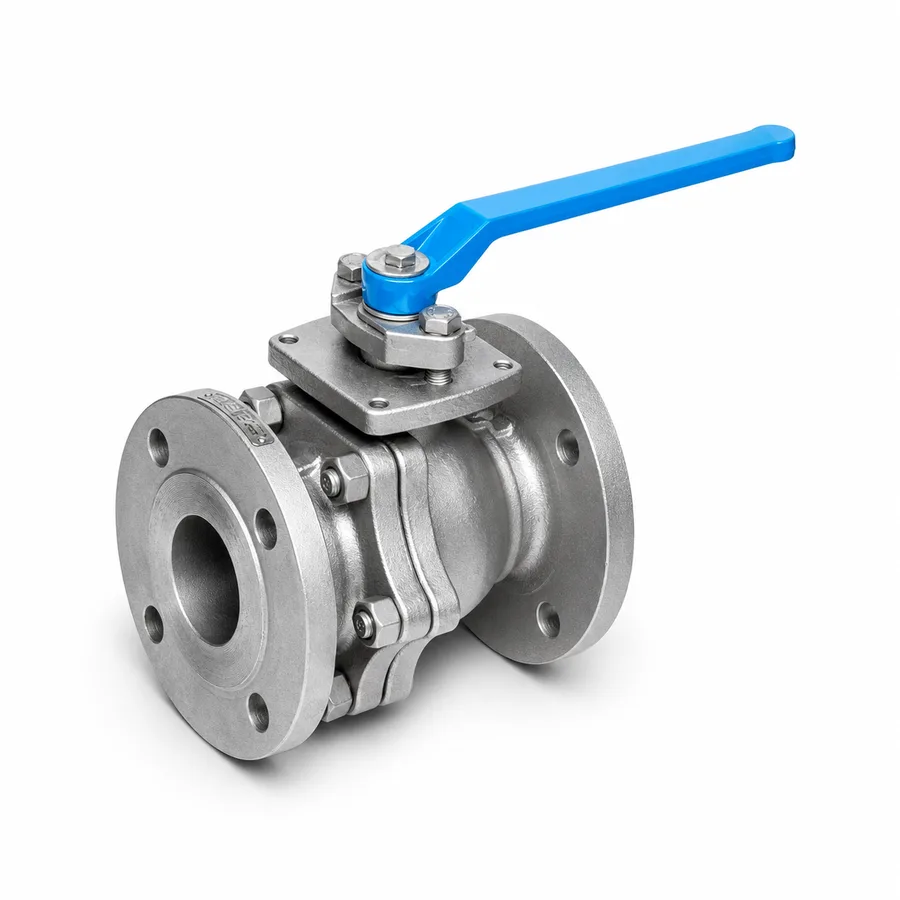 valvula bola inoxidable bridada
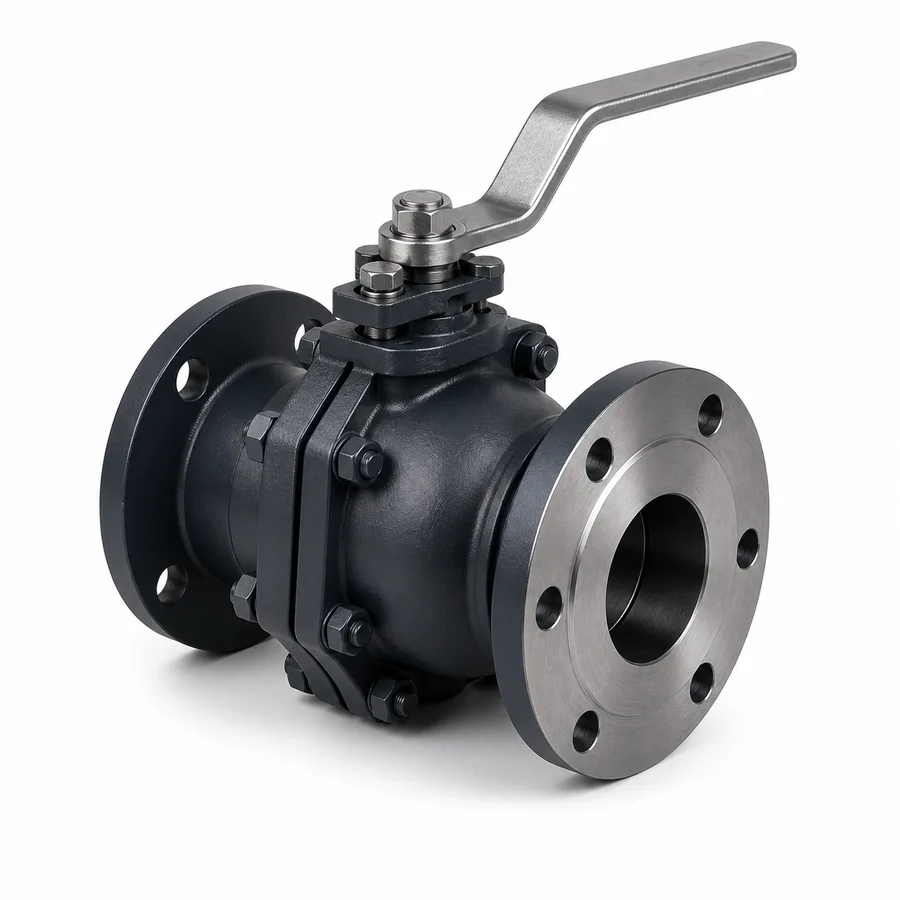 valvula bola acero al carbon bridada
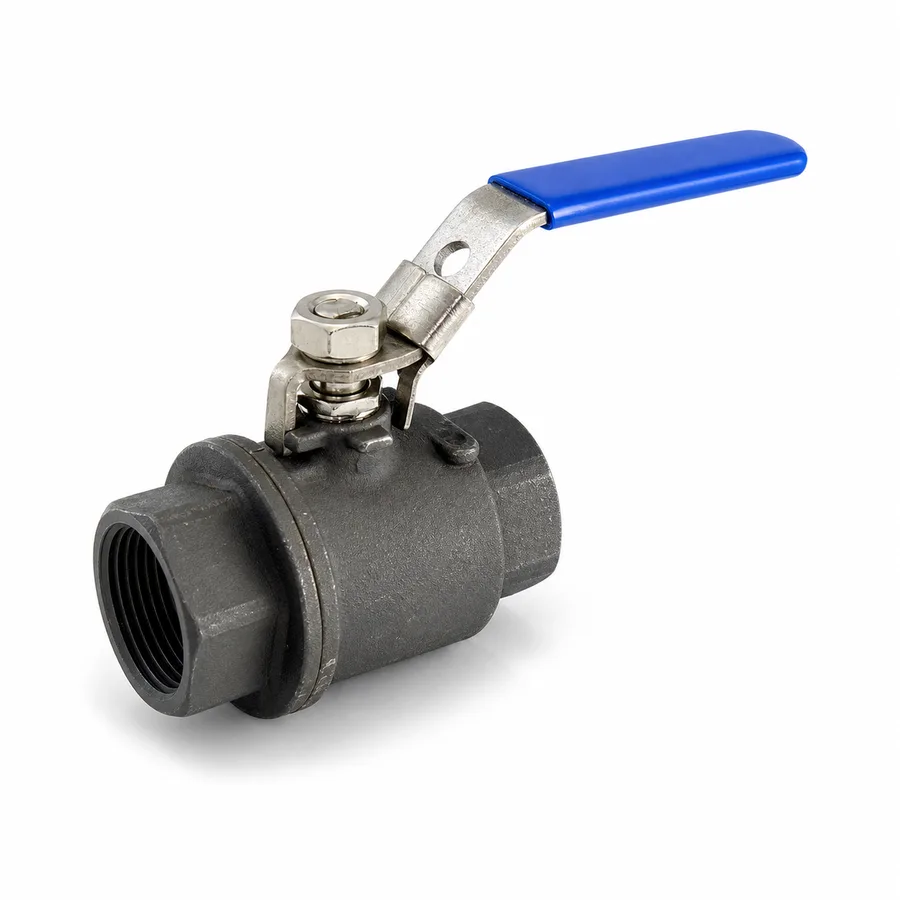 valvula bola acero al carbon 1000 psi