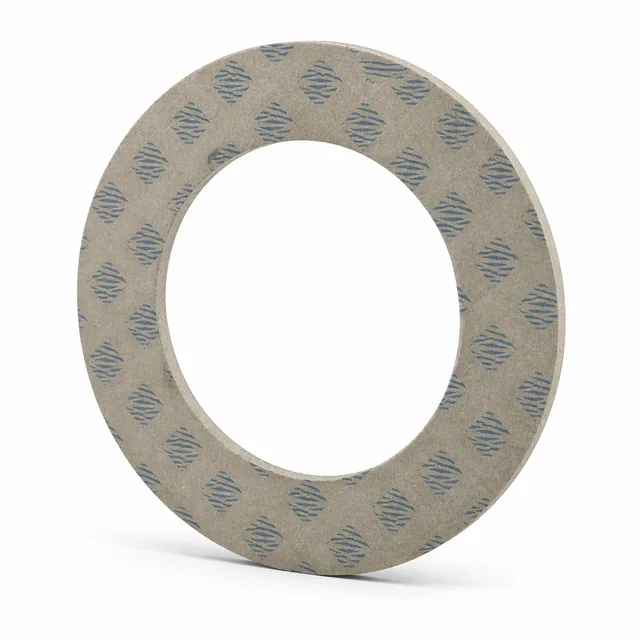
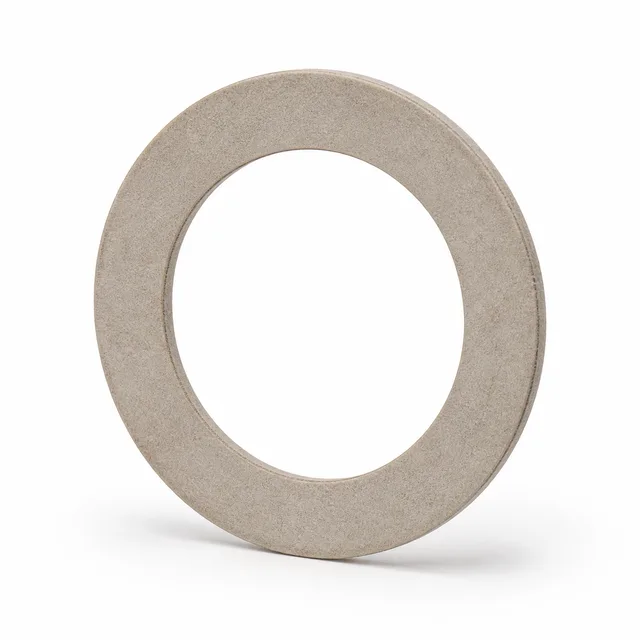
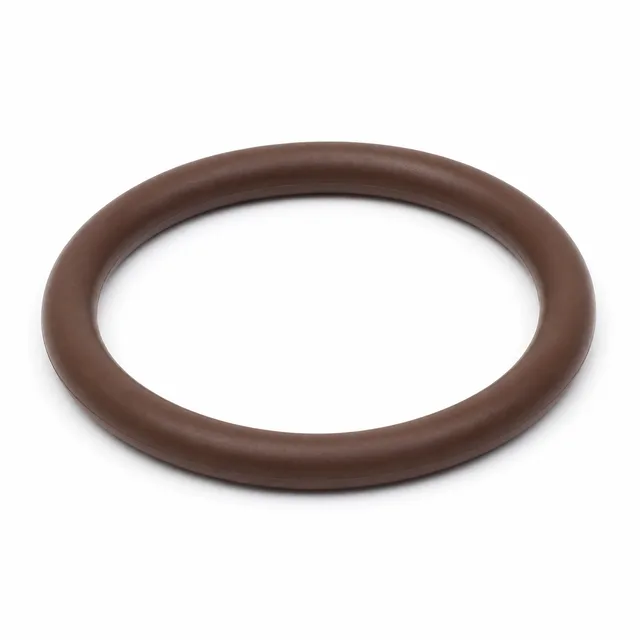
Industrial sealing products are not one single family. They include flange gaskets, O-rings, rubber sheet, compression packing, expanded PTFE, graphite, compressed fiber and mechanical seals. In purchasing, the common mistake is asking for “a pipe gasket” without defining the joint type, fluid, temperature and compression method.
This guide consolidates searches for pipe gaskets into a broader canonical guide. For specific flanges, TECTUL carries references such as Garlock 150 lb gasket and Teadit 150 lb gasket; for elastomeric seals there are options such as Viton gasket, neoprene gasket and sanitary silicone gasket.
A flange gasket seals two faces compressed by bolts. An O-ring seals inside a groove designed with controlled squeeze. Compression packing seals around a shaft or stem with gradual adjustment. A mechanical seal controls leakage in pumps through sealing faces. If these functions are confused, the right material can fail because the geometry is wrong.
| Type | Where it works | Advantage | Main check |
|---|---|---|---|
| Flat gasket | Flanges and covers | Easy replacement and large sealing area | Torque, face finish and compatibility |
| O-ring | Static or dynamic grooves | Compact and repeatable seal | Groove design and hardness |
| Rubber sheet | Custom cuts and supports | Versatile for low-demand service | Do not assume chemical compatibility |
| Expanded PTFE | Irregular flanges and chemicals | High conformability | Control creep and load |
| Graphite | High temperature | Good thermal resistance | Oxidation and careful handling |
| Mechanical seal | Rotating pumps | Shaft leakage control | Selection by API 682 or manufacturer |
O-rings are specified by inside diameter, cross-section, material and hardness. For inch sizes, SAE AS568 defines size codes, inside diameters, cross-sections and tolerances. ISO 3601-1 covers dimensions, tolerances and designations for fluid power systems. The size code does not replace material selection: the same AS568 size can be made from NBR, EPDM, FKM, silicone or other elastomers.
Compatibility depends on the fluid. NBR is commonly associated with oils and general hydraulic service; EPDM is used with hot water and steam in certain ranges but not with hydrocarbons; FKM is used with many fuels, oils and chemicals but is not universal; silicone is valued for flexibility and sanitary use under compatible conditions. These are qualitative guides: concentration, temperature and cleaning can change the decision.
Rubber sheet allows custom gasket cutting, support protection, vibration absorption or low-pressure cover sealing. The purchase request should state elastomer, approximate hardness, thickness, width, finish and exposure. Neoprene, nitrile, EPDM and silicone are not interchangeable. A material that works with water may swell in oils; one that works with oil may degrade with ozone or temperature.
In pumps and rotating equipment, the choice is not only material. Compression packing uses rings compressed around the shaft or sleeve and usually allows controlled leakage for lubrication and cooling. A mechanical seal uses lapped faces, one rotating and one stationary, with secondary elements and springs. API 682 addresses shaft sealing systems for centrifugal and rotary pumps in demanding services.
Packing can be robust and economical in simple services, but it can wear the shaft, require adjustment and show visible leakage. A mechanical seal reduces leakage and improves control, but requires correct installation, lubrication or barrier plan, face materials and operating conditions. In purchasing, do not substitute one for the other without reviewing equipment, fluid and criticality.
Expanded PTFE is used for conformability and broad chemical resistance in many services. It is useful when faces have irregularities or an adaptable seal is needed, but load, creep and temperature must be reviewed. Flexible graphite is selected for high temperature and services where many elastomers cannot survive; it must be handled carefully and the oxidizing environment must be validated.
Compressed fiber covers sheet materials with fillers and binders. ASTM F104 classifies nonmetallic gasket materials by composition and properties; final selection depends on manufacturer datasheet, fluid, pressure, temperature and flange finish. Not every fiber gasket is suitable for steam, oil or chemicals.
| Material | Qualitative compatibility | Do not assume |
|---|---|---|
| NBR | Oils and general hydraulics | Steam, ozone or strong chemicals |
| EPDM | Water, some steam services and weathering | Oils and hydrocarbons |
| FKM | Oils, fuels and several chemicals | Ketones, amines or steam without validation |
| Silicone | Sanitary and compatible moderate temperatures | Abrasion, critical steam or fuels |
| PTFE | Broad chemistry | Mechanical load without control |
| Graphite | High temperature | Oxidation or rough handling |
A flange gasket works because it receives enough load to fill irregularities and resist internal pressure. If torque is too low, the joint leaks even when the material is compatible. If torque is excessive, the gasket may extrude, crush or damage the flange face. Material selection must therefore be considered together with flange class, surface finish, gasket width, bolts, lubrication and tightening sequence.
Face finish matters as well. A metallic or semimetallic gasket may require different conditions than compressed sheet. Deeply scratched, corroded or distorted faces reduce sealing capacity. In maintenance, replacing the gasket without inspecting the flange can hide the actual cause of leakage and repeat the failure after startup.
Chemical compatibility is not decided with a single word such as acid, oil or steam. Concentration, temperature, pressure, cleaning, cycling and mixtures must be known. An elastomer may resist a fluid at room temperature and fail when temperature rises; another may tolerate static exposure but not dynamic swelling or abrasion.
When complete data is not available, responsible selection is qualitative and conservative. Materials with service history, manufacturer datasheets and controlled testing are preferred when risk justifies it. In food, pharmaceutical or drinking water service, compatibility includes sanitary requirements and certifications, not only leakage resistance.
Many failures start during installation. An O-ring twisted, cut by an edge or installed without compatible lubrication can fail immediately. A reused flat gasket may not recover thickness. Compression packing tightened too much can heat the shaft. A mechanical seal installed with contaminated faces can scratch before startup.
At receiving, check dimensions, material, hardness, color if applicable, packaging and surface condition. During assembly, clean faces, use proper tools, follow recommended torque or tightening and avoid mixing leftover materials without identification. The cost of a leak usually exceeds the cost of specifying the seal correctly.
Elastomeric seals age in storage. Heat, ozone, sunlight, deformation and contact with incompatible oils can harden or crack the material before installation. Store O-rings and rubber gaskets in clean packaging, away from motors, welding equipment and direct light. Sheet gaskets should remain flat and dry. Mechanical seal faces should stay protected until assembly because a small scratch can become a leak path.
To buy industrial gaskets and seals, start with sealing geometry and then select material. If the joint is a flange, review class, finish and torque; if it is a groove, use AS568 or ISO size and compatible material; if it is a pump, compare packing and mechanical seal with equipment data. TECTUL can help filter existing references without turning a geometry problem into an improvised material change.