Water hoses are not selected only by diameter and color. A flexible potable-water hose, an irrigation hose, a layflat discharge hose and a suction hose work differently. Material, reinforcement, bend radius, working pressure, burst pressure, coupling method and sanitary suitability all change.
This guide also answers a common question: what is the black hose for water called? In many cases it is polyethylene PE hose or flexible pipe, used for irrigation, rural water conveyance and auxiliary networks, but it should not be confused with every black rubber or PVC hose. At TECTUL, buyers can compare potable water hose, water suction and discharge hose, heavy-duty water discharge hose, layflat discharge hose and garden hose.
The first division is potable water, irrigation, discharge, suction or multipurpose service. Potable water requires materials suitable for contact with drinking water and migration control under applicable certifications such as NSF/ANSI/CAN 61 and NSF/ANSI 372 when the project requires them. Irrigation prioritizes flexibility, cost per metre, UV resistance and easy installation. Discharge hose carries flow from pumps or tanks under internal pressure. Suction hose must resist vacuum, so it usually includes a rigid helix or reinforcement that prevents collapse.
An air-and-water hose may work for cleaning or maintenance, but that does not approve it for potable water. A layflat hose is efficient for temporary discharge, but it cannot suction because it flattens. A suction hose can usually discharge, but it is heavier and more expensive than a simple discharge hose. Buying only “the strongest hose” can raise cost and reduce usability without improving safety.
| Type | Typical use | Common reinforcement | Selection caution |
|---|---|---|---|
| Potable water | Temporary supply, filling, food or drinking use if certified | PVC or rubber with compatible formulation | Request datasheet and sanitary certification when required |
| Irrigation and garden | Agriculture, light washdown, gardens | Textile or flexible wall | Check UV exposure, pump pressure and connectors |
| Discharge | Pumps, drainage, water transfer | Textile, fabric or flexible PVC | Do not use for suction unless rated for vacuum |
| Suction and discharge | Motor pumps, tank draw, industrial drainage | Rigid helix or wire | Check vacuum, bend radius and hose tails |
| Black PE polyethylene | Irrigation, buried or rural conveyance by specification | PE wall, not necessarily textile hose | Confirm PE, pressure rating, SDR and fittings |
For potable water, the main criterion is not only absence of smell. The material must be suitable for drinking-water contact and must not leach substances above specified limits. If the hose is used in food plants, hospitals, camps, tank filling or human consumption, ask for datasheet and applicable certification. Also control cleaning, storage and caps; a certified hose can be contaminated by poor handling.
For irrigation, the priorities are outdoor compatibility, ease of layout, fittings and available pressure. Sun exposure, dragging, foot traffic and kinks affect service life. For suction and discharge, the criterion changes: the hose must resist vacuum without collapse and internal pressure without pulling off the coupling. Use clamps, hose tails and connectors matching the real diameter.
On jobsites, “black water hose” often refers to polyethylene PE, especially for irrigation, rural services and flexible conveyance. It may also be called PE hose, PE pipe, polyethylene water pipe or black irrigation hose. However, black color does not prove the material is PE or potable. Black hoses may also be rubber, PVC, EPDM or industrial-purpose products. To buy correctly, confirm marking, material, diameter, pressure rating, SDR when applicable and coupling type.
PE is valued for flexibility, corrosion resistance and coil availability. In buried or exposed lines, review pressure, temperature, UV radiation, joining method and compatibility with compression or heat-fusion fittings. If the application is potable water, do not assume sanitary suitability without certification.
Working pressure is the maximum recommended pressure for continuous operation under specified conditions. Burst pressure is a test or failure value and must not be used as normal design pressure. ISO 1402 addresses hydrostatic testing of hoses; manufacturer datasheets often state relationships between working and burst pressure, but buyers should use working pressure and allow for temperature, pulsation, surge and aging.
A hose connected to abrupt pump starts, fast-closing valves or water hammer can fail even when steady pressure seems low. Poorly crimped couplings, wrong clamps, kinks near the end fitting and external abrasion also matter. For long hoses, consider pressure loss and water-filled weight.
Textile reinforcement increases pressure resistance while maintaining flexibility. Plastic or metal helix reinforcement allows suction and prevents collapse, but increases stiffness. Layflat hoses are light and easy to roll for discharge, but they work when filled; empty, they fold flat. Rubber often tolerates mechanical abuse better, while some PVC hoses are more economical and transparent, useful for seeing flow or sediment.
Inside diameter controls flow and pressure loss. Outside diameter affects clamps and reels. Standards such as ISO 1307 help organize hose sizes and tolerances, but each manufacturer must provide a datasheet. Do not combine a hose with a different-size hose tail just by tightening the clamp harder.
The hose does not work alone. The assembly includes hose tail, clamp, quick coupling, threaded connection, gasket and sometimes a crimped system. The hose tail diameter must match the real inside diameter of the hose, and the clamp must close within range without cutting the cover. In suction service, a very small air leak can make the pump lose prime; in discharge, a loose coupling can pull off under pressure surge.
Maintenance starts with visual inspection: cracks, blisters, soft zones, abrasion, exposed wire, unusual smell or deformation near the coupling. After potable-water use, drain and protect the ends. After drainage or dirty water, wash before storage. Do not bend below the recommended radius and do not drag a water-filled hose if its weight can damage the reinforcement.
For consumption or sanitary contact, use documented potable-water hose. For irrigation, prioritize PE or flexible hose with UV protection and available fittings. For temporary pumping, use layflat or discharge hose if there is no vacuum. For motor pumps drawing from a tank, well or canal, use suction and discharge hose with helix. At TECTUL, describe fluid, pump, pressure, suction, length and couplings; that prevents buying a hose that looks right but collapses, contaminates or pulls off.
To close a technical purchase, record service condition, requested standard, quoted reference and any installation restriction. That traceability prevents substitutions by appearance when shifts, suppliers or maintenance urgency change. At receiving, compare physical marking with the purchase order and keep the datasheet when the line is critical for safety, production or compliance.
If the product is installed in an existing network, document what was removed, what was installed and what test was performed. A photo of the marking, a pressure note or a material confirmation often saves hours during future shutdowns. At TECTUL, this information supports technically sound equivalents and rejects changes that only appear compatible.
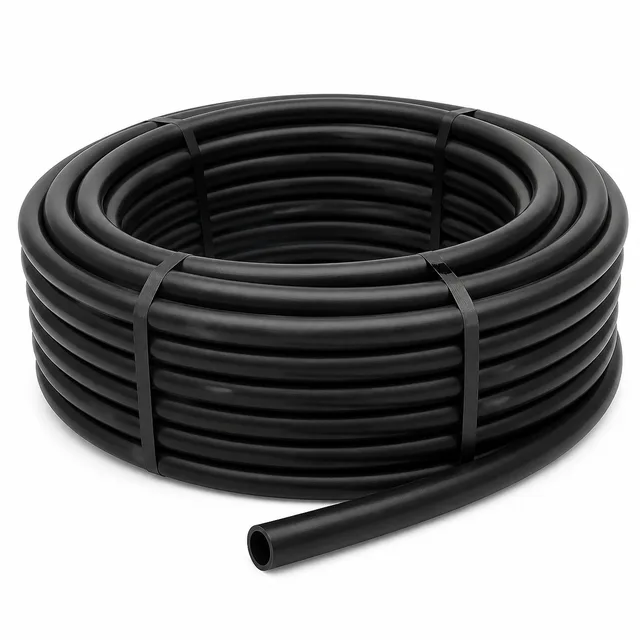 manguera de agua potable
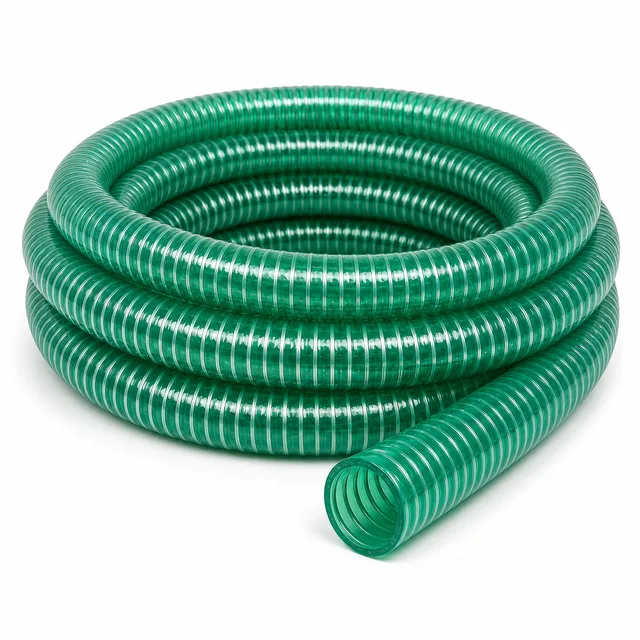 manguera para succion y descarga de agua
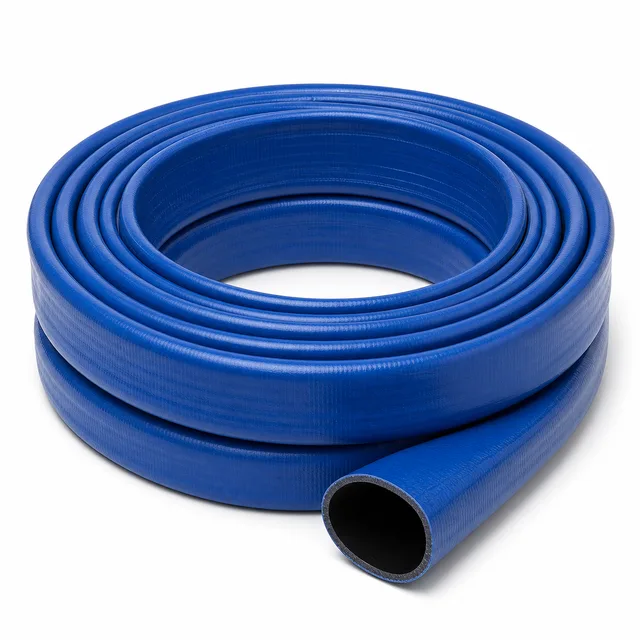 manguera para descarga de agua trabajo pesado