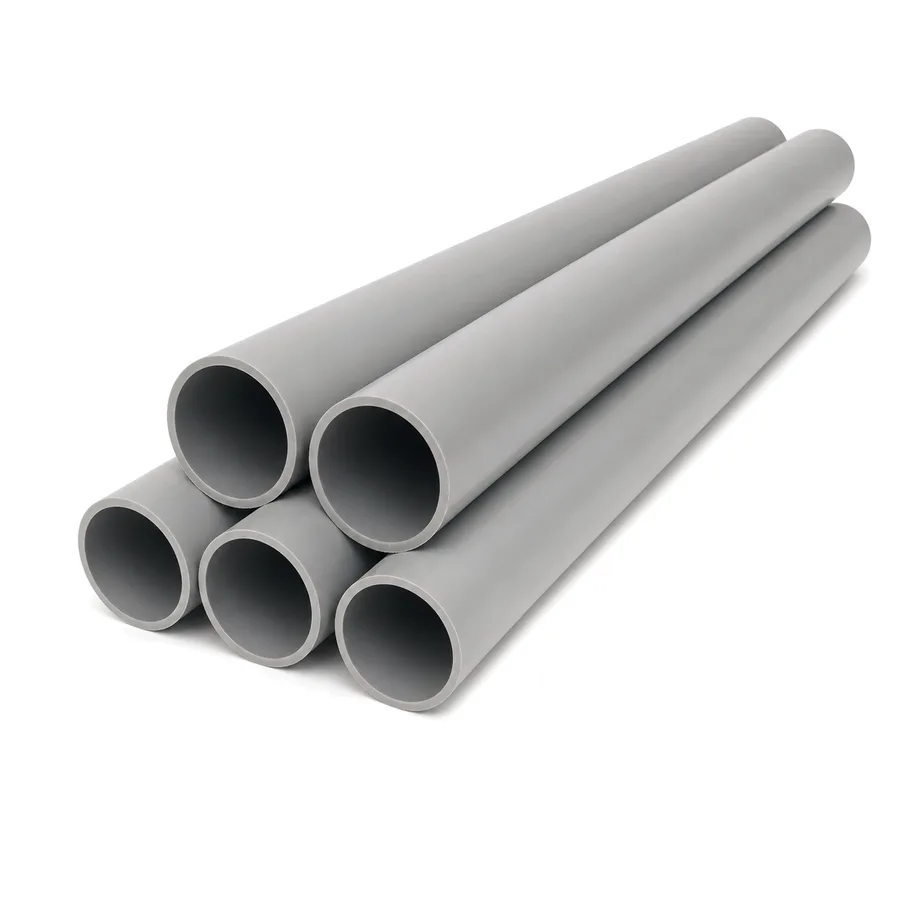
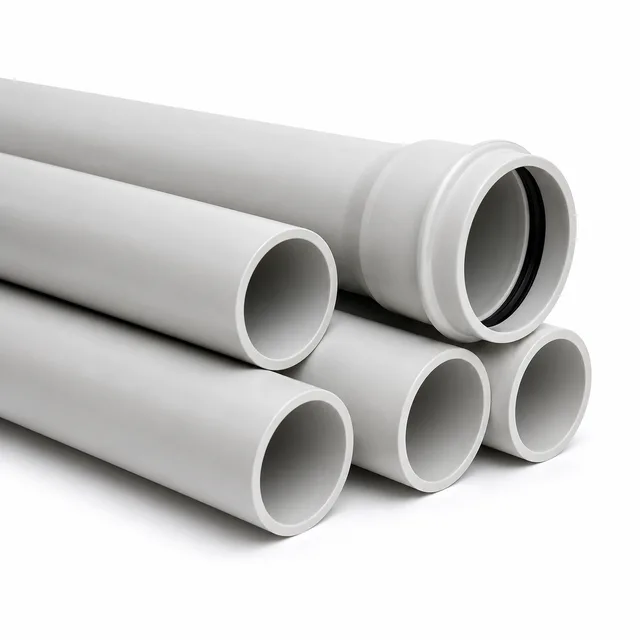
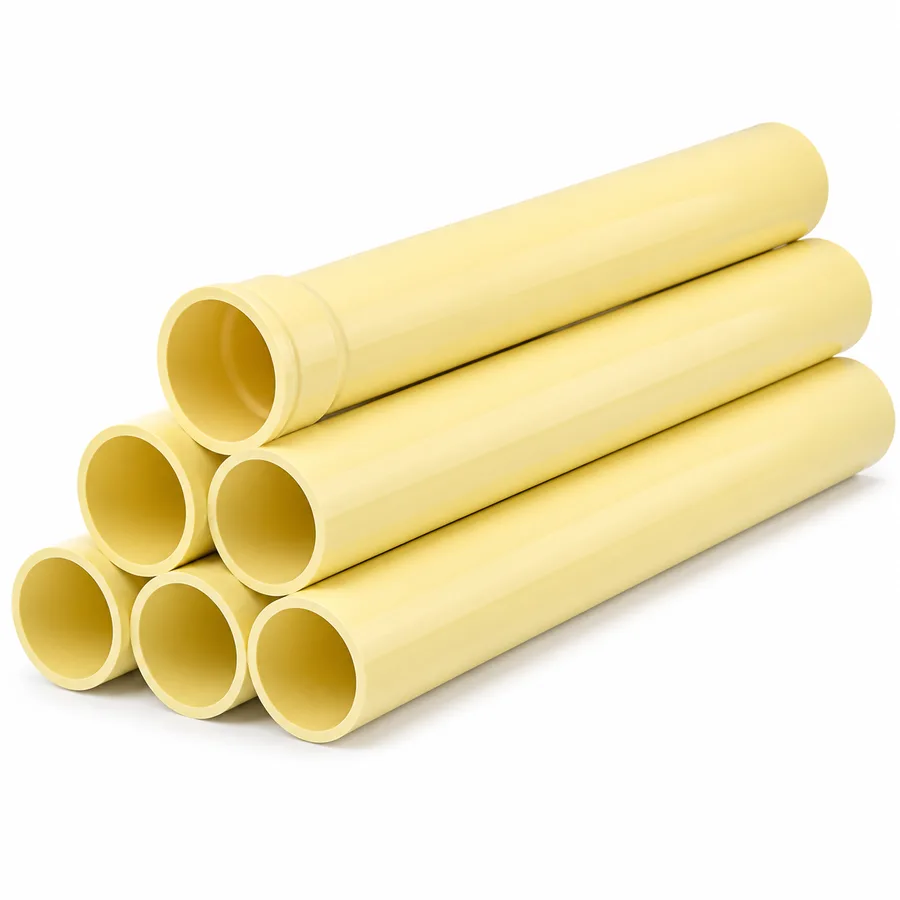
When buyers search for types of PVC, PVC pipe sizes or PVC tubing dimensions, they usually need to separate products that sound similar but work in different services. PVC pressure pipe is not specified like sanitary drainage pipe. Standards, wall thickness, joining method, commercial color, pressure class and behavior under temperature, impact and chemicals all change.
This guide consolidates selection criteria for hydraulic, sanitary and drainage PVC systems in Colombia. At TECTUL, buyers can start with PVC pressure pipe, RDE 32.5 mechanical-joint pipe, sanitary stormwater pipe, PVC pressure coupling and sanitary PVC tee. Final selection must be checked against the system datasheet and actual operating conditions.
The first filter is service. PVC pressure pipe carries water or compatible fluids under internal pressure. Sanitary PVC is used for drain, waste and vent by gravity. Stormwater and sewer PVC respond to drainage and installation-stiffness requirements. Fittings may be solvent-welded, threaded, socketed, mechanical-joint or transition pieces to other materials.
The word PVC is not enough to approve a purchase. Two pipes with the same nominal diameter may have different wall thicknesses and standards. Installing sanitary pipe in a pressurized line is not only a documentation issue; it can fail by pressure, surge or improper jointing. Installing pressure pipe where a sanitary socketed system is needed may produce an expensive network that is hard to maintain or poorly connected.
The main difference is operating regime. Hydraulic or pressure PVC is designed for internal pressure and is specified by pressure class, RDE/SDR, standard and joining system. In Colombia, NTC 382 is a common reference for rigid PVC pressure pipe; ASTM D1785 and ASTM D2241 appear in international specifications depending on Schedule or SDR series. RDE or SDR expresses the ratio between outside diameter and wall thickness: within a normalized family, a lower number means a thicker relative wall and higher pressure capability.
Sanitary PVC is intended for drain, waste and vent, not sustained pressure. NTC 1748 and ASTM D2665 are associated with drain, waste and vent pipe and fittings. Its jointing usually prioritizes sockets, solvent cement, flow direction, slope and installation speed. In the Colombian market, color helps identify families, but color does not replace printed marking or datasheet verification. A pipe may be painted, aged or sourced from another system; confirm marking, thickness and intended use.
| Criterion | Hydraulic or pressure PVC | Sanitary or drainage PVC |
|---|---|---|
| Function | Conveyance under internal pressure | Gravity drainage and venting |
| Typical standards | NTC 382, ASTM D1785, ASTM D2241 by system | NTC 1748, ASTM D2665 by system |
| Designation | RDE/SDR, pressure class or Schedule | Sanitary size, socket and drainage fittings |
| Jointing | Solvent cement, specific threaded fittings or mechanical joints | Socket/cement and fittings for slope and venting |
| Risk if misused | Leakage or rupture if underspecified | Blockage, gravity leakage or poor maintainability |
Sizes are expressed by nominal diameter, but technical purchasing must verify outside diameter, wall thickness, commercial length, class and compatible fittings. In pressure service, the same nominal diameter may exist in different RDE/SDR or Schedule options. In sanitary service, sockets and fittings define how each section connects. Do not request “two inch PVC pipe” without adding whether it is for pressure, sanitary drainage, stormwater, sewer, mechanical joint or a specific fitting.
Project sizing also interacts with flow rate, pressure loss, slope and supports. In pressure piping, hydraulic diameter affects velocity and head loss. In drainage, diameter and slope determine carrying capacity and self-cleaning behavior. If replacing existing pipe, measure outside diameter, check markings and include a photo of the jointing system.
RDE and SDR are dimensional ratios; they are not universal approval for every fluid or temperature. System pressure capability depends on material, temperature, diameter, wall thickness, jointing, fittings and surge. Schedule 40 and Schedule 80 in ASTM D1785 are dimensional series; actual pressure rating must be checked in the standard or manufacturer datasheet for the specific diameter. Avoid copying pressure numbers from a generic table without confirming temperature and product.
In pump rooms, irrigation, process networks and utility areas, transients matter. Water hammer can exceed normal operating pressure. Use suitable closing valves, controlled starts, supports and anchors. PVC is light and corrosion resistant, but it does not tolerate mechanical abuse indefinitely.
Solvent-cement joints require square cuts, cleaning, primer or conditioner when the system requires it, compatible cement, full insertion and curing time. On larger sizes, alignment and open time are critical. PVC threads should be used only on fittings designed for threading; threading the wrong pipe or overtightening can create cracks.
Mechanical-joint pipe, such as RDE 32.5 mechanical-joint pipe, can simplify maintenance and installation in specific networks. In sanitary service, sockets and fittings must be installed with correct slope and orientation. Do not mix pressure and sanitary fittings only because they appear to match.
PVC performs well with many waters, salts and compatible solutions, but it is not universal. Solvents, aromatic hydrocarbons, some ketones, elevated temperature and long UV exposure can degrade it or reduce service life. For hot water or aggressive fluids, review CPVC, PP, PE, steel or another material. PVC allowable pressure decreases with temperature; do not use the room-temperature rating as if it applied to every condition.
When receiving PVC pipe, check marking, diameter, class, visible lot information and socket or end condition. Do not accept pipe with cracks, crushing, deep impact marks or storage deformation. PVC should be supported on a flat surface, protected from point loads and, during long exposure, from direct sunlight. On jobsites, dragging damage and out-of-square cuts are frequent causes of later leakage.
During installation, control alignment and support. In pressure piping, thrust at elbows, tees, reducers and valves may require anchors. In sanitary drainage, slope and venting are as important as diameter. In both cases, transitions to metal should use proper adapters, without forcing plastic threads or using the pipe as a structural member.
For pressurized cold water, start with standardized pressure PVC and select RDE/SDR or Schedule by calculation and datasheet. For drainage, use sanitary PVC with fittings from the same family and respect slope. For stormwater, check capacity, stiffness, installation and socket type. A complete TECTUL request does not say only “PVC”; it states service, diameter, standard, class, joint and accessories. That avoids mixing hydraulic and sanitary systems and reduces rework.
To close a technical purchase, record service condition, requested standard, quoted reference and any installation restriction. That traceability prevents substitutions by appearance when shifts, suppliers or maintenance urgency change. At receiving, compare physical marking with the purchase order and keep the datasheet when the line is critical for safety, production or compliance.
If the product is installed in an existing network, document what was removed, what was installed and what test was performed. A photo of the marking, a pressure note or a material confirmation often saves hours during future shutdowns. At TECTUL, this information supports technically sound equivalents and rejects changes that only appear compatible.