Selecting industrial pipe is not just ordering a “two inch pipe” and assuming every option performs the same way. A technical purchase must define material, manufacturing standard, nominal size, schedule or wall thickness, joining method, fluid, temperature, external environment, maintenance expectations and line criticality. Schedule is not a pressure rating by itself; it is a dimensional designation. Allowable pressure depends on material, diameter, temperature, design code, corrosion allowance and connection method.
This guide summarizes practical criteria for industrial buyers comparing carbon steel, stainless steel, galvanized steel, PVC, CPVC and polypropylene. TECTUL can start a discussion from products such as carbon steel SCH40 pipe, stainless SCH40 pipe, galvanized pipe, PVC pressure pipe and PP fusion PN16 pipe, but the final selection must be tied to datasheets, chemical compatibility and actual operating conditions.
In NPS metallic piping, outside diameter remains fixed for a nominal size while wall thickness changes with schedule. A NPS 2 pipe in SCH10, SCH40 and SCH80 therefore keeps the same nominal outside diameter but changes internal diameter and weight per length. ASME B36.10M covers dimensions for welded and seamless wrought steel pipe; ASME B36.19M covers stainless steel pipe. Plastic piping may also use Schedule references in ASTM standards, although many projects buy by pressure class, SDR or PN depending on the system.
SCH10 is often used where lower weight is useful and pressure or mechanical exposure is moderate. SCH40 is a common middle ground for general industrial services. SCH80 increases wall thickness, stiffness and mechanical margin, but reduces internal diameter, increases weight and requires compatible fittings. In lines exposed to impact, vibration, frequent threading or harsh installation, additional wall can be more valuable than a simple hydraulic comparison suggests.
| Material | Common standards | Strengths | Selection cautions |
|---|---|---|---|
| Carbon steel | ASTM A53, ASTM A106, API 5L, ASME B36.10M | Mechanical strength, availability, weldability, suitable for steam, air, industrial water and hydrocarbons when designed correctly | Needs internal and external corrosion control; not the default choice for sanitary or highly corrosive service |
| Stainless steel | ASTM A312, ASME B36.19M | Better corrosion resistance, cleanability and service life in many duties | Higher initial cost; select 304, 316 or another grade according to chlorides, temperature and chemistry |
| Galvanized steel | ASTM A53 hot-dip zinc coated | Protection against moderate atmospheric corrosion and non-aggressive water | Not universal for chemicals, high temperature or post-welded fabrication without coating control |
| PVC and CPVC | ASTM D1785, ASTM F441 | Low weight, fast installation, resistance to many waters and salts | Temperature, impact, UV and solvents must be checked; pressure rating changes with temperature |
| Polypropylene | ASTM F2389 and system standards | Heat-fusion joints, low corrosion risk, broad use in cold and hot water by class | Depends on PN, temperature, thermal expansion and fusion quality |
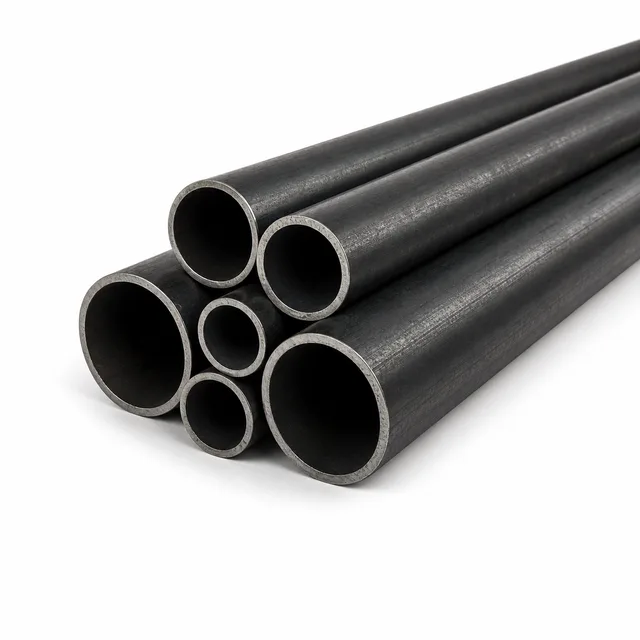
Carbon steel is the base material for many industrial networks because it combines mechanical strength and availability. ASTM A53 covers black and galvanized welded or seamless pipe for common mechanical and pressure uses. ASTM A106 is used for seamless pipe in high-temperature service. API 5L appears in line pipe and hydrocarbon transmission. For general purchasing, SCH10, SCH40 and SCH80 are compared by wall thickness, weight, manufacturing process and fitting compatibility.
The decision should not be reduced to “higher schedule is better”. If the system operates at low pressure and mechanical risk is limited, SCH10 may be sufficient and easier to install. If threading, impact or corrosion allowance matters, SCH40 or SCH80 can justify their cost. For steam, compressed air, fuel or process networks, buyers should specify standard, certificate when required, ends, length, seam type and traceability.
Stainless steel is not one material. Type 304 is an austenitic grade widely used in food equipment, clean water, machinery and moderate environments. Type 316 contains molybdenum, improving resistance to pitting and crevice corrosion in chloride exposure within grade limits. Type 430 is ferritic and does not provide the same toughness, formability or broad corrosion resistance as 304 or 316; it can fit decorative covers and lower-duty parts, but should not be assumed for severe chemical service. Pipe options such as stainless SCH10 or stainless SCH40 must be chosen with fluid chemistry available.
In coastal environments, hypochlorite washing, brines, dairy products, cleaning chemicals or chloride-bearing water, the word stainless can create a false sense of security. Localized corrosion may occur when the grade is wrong, when stagnant zones exist, when welds are not cleaned or when carbon steel contamination is introduced. In technical purchasing, ask for grade, finish, material standard, certificate and welding or passivation guidance when service conditions require it.
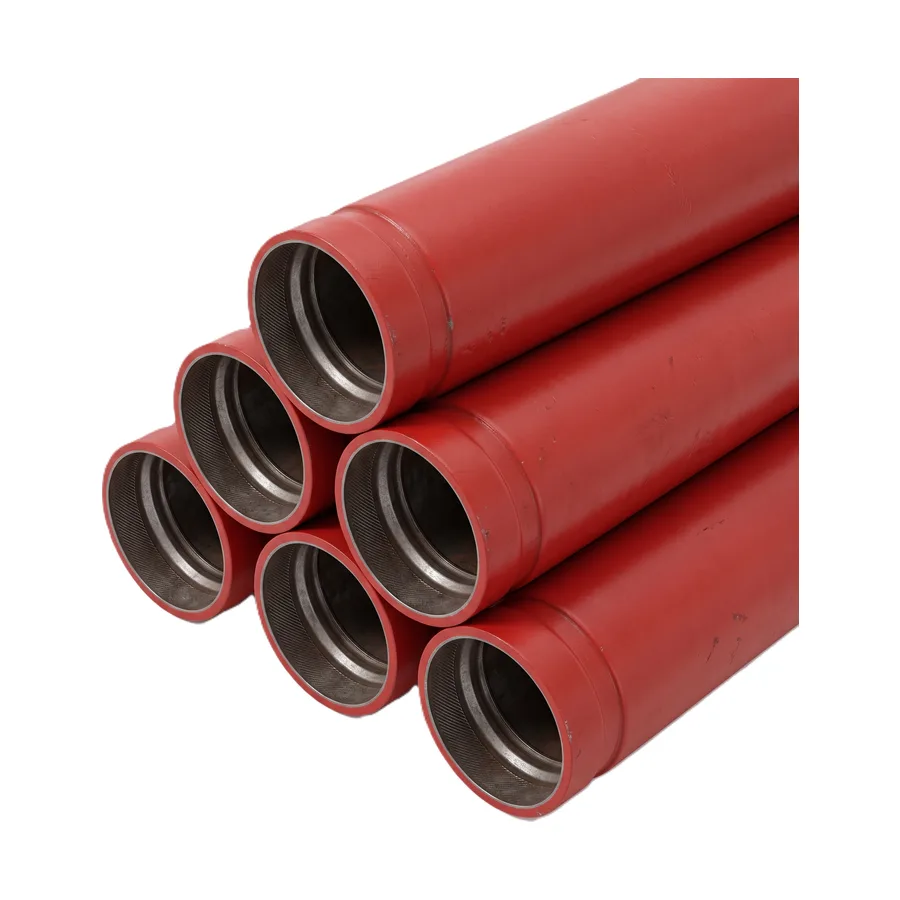
Galvanized pipe uses a hot-dip zinc coating in specifications such as ASTM A53. It is useful in non-aggressive water, air, supports and moderate atmospheric exposure. Zinc works as a barrier and may provide galvanic protection to the base steel, but it is consumed over time. In acidic environments, strong alkalis, elevated temperature or incompatible fluids, the coating can deteriorate quickly. If galvanized pipe is cut or welded, coating removal, ventilation and post-fabrication corrosion repair must be considered.
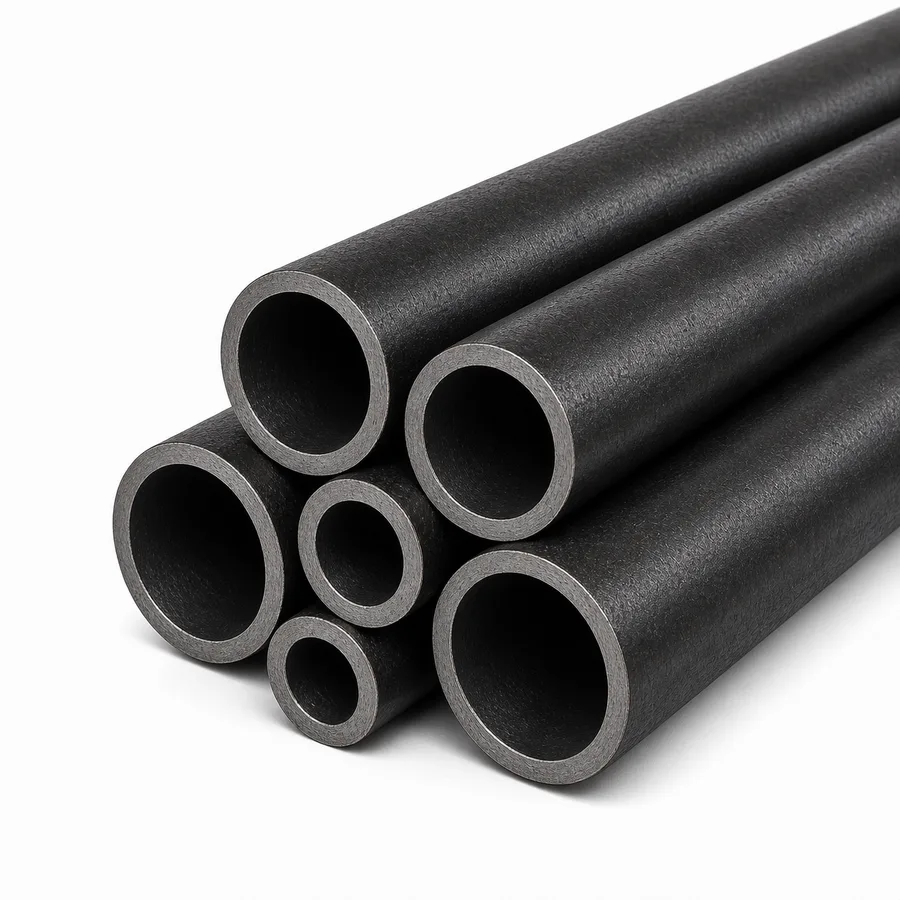
PVC and CPVC are engineering plastics used for compatible water and chemical solutions. ASTM D1785 defines Schedule PVC pipe and ASTM F441 covers CPVC Schedule 40 and 80. CPVC offers a better temperature range than PVC in many applications, but it does not make plastic piping suitable for steam or arbitrary solvents. Heat-fused polypropylene, such as PP fusion PN16, is valued for homogeneous joints and corrosion resistance, with attention to expansion, support spacing and pressure-temperature curves.
For plastics, a frequent error is reading the nominal pressure at room temperature and applying it unchanged to hot water, pump rooms or sun-exposed pipe racks. Allowable pressure decreases with temperature and aging. Adhesive or fusion procedure, curing time, alignment, support, UV protection and compatibility with disinfectants or chemicals also matter.
For an industrial purchase, separate the commercial quote from the technical validation. For metallic pipe, request standard, grade, manufacturing process, length, ends, schedule, certificate when applicable and surface condition. For plastics, request pressure class, system standard, temperature range, joining method and fluid compatibility. If the line will carry steam, compressed air, fuel gas, chemicals or hazardous fluids, involve engineering before approving substitutions.
Also review fittings. A correctly selected pipe can be limited by a flange, union, valve, gasket or weld with lower capability. In projects involving material changes, check galvanic corrosion, thermal expansion and supports. Pipe does not work alone; it operates as a system.
For general industrial service, carbon steel SCH40 is often the starting point because it balances availability and mechanical performance. Move to SCH80 when threading, mechanical margin or corrosion allowance is important; consider SCH10 when the calculation and installation justify it. Choose stainless when corrosion, hygiene or cleanability are worth more than initial savings. Choose PVC, CPVC or polypropylene only when chemical compatibility, temperature and pressure are clearly inside datasheet limits. For TECTUL purchases, provide complete service conditions so the recommendation becomes specific instead of generic.