Use a ball valve when you need fast quarter-turn opening and closing; use a gate valve when you need slower isolation, low loss when open and practical economics in large water sizes. Neither should be purchased as a fine throttling valve unless the manufacturer declares that service.
The real comparison is not which valve is better, but which one fails less in the specific service. At TECTUL, ball options such as the flanged carbon steel ball valve, the flanged stainless steel ball valve and the 1000 psi carbon steel ball valve can be compared with gate valves such as the flanged carbon steel gate valve and the flanged resilient-seated gate valve.
A ball valve turns a drilled sphere ninety degrees between open and closed. That motion shuts off quickly, needs little external travel and supports manual, pneumatic or electric operation with compact actuators. In process services, compressed air, industrial water, compatible chemicals and lines operated frequently, this speed reduces operating time and simplifies interlocks.
A gate valve raises or lowers a wedge or disc out of the flow path. Closing takes several handwheel turns and is therefore slower. That slowness can be an advantage in hydraulic networks where sudden closure increases water hammer risk. The full gate valve guide already exists at gate valve technical guide; here the focus is only the comparison against ball valves.
| Criterion | Ball valve | Gate valve | Practical decision |
|---|---|---|---|
| Operation | Quarter turn | Several turns | Ball for fast or frequent operation |
| Open pressure loss | Low if full bore, higher if reduced | Low when fully open | Both can be efficient when specified well |
| Water hammer | Higher risk if closed abruptly | Naturally slower closing | Gate favors large water networks |
| Tightness | Very good with compatible soft seat | Depends on seat, wedge, cleanliness and test | Ball wins in frequent compact shutoff |
| Maintenance | Simple in three-piece, limited in one-piece | Bonnet, stem and seat need access | Depends on real intervention space |
| Cost by size | Rises with ball, seat and torque | Often competitive in large water sizes | Do not compare by nominal size alone |
The ball valve is the natural selection when the operator must immediately see whether the valve is open or closed, because the lever shows position. It also works well when operation is integrated with a quarter-turn actuator, limit switch or process logic. In plants with many auxiliary lines, that visual indication reduces mistakes: lever parallel to the pipe normally means open, lever perpendicular normally means closed.
The gate valve does not provide the same immediacy. A handwheel may require multiple turns and, if the stem is non-rising, position is not always visible from outside. In lines where daily operation requires speed, this adds time and increases the possibility of leaving the valve partially open. If the service needs gradual manual closure and rare operation, the gate valve remains valid.
A full-bore ball leaves a very direct path; a reduced-bore ball contracts flow and increases local velocity. The difference affects pump load, noise, erosion and available pressure. Crane TP-410 treats valve and fitting losses as resistances added to the system, so a valve is not evaluated in isolation but as part of the line curve.
A fully open gate valve also offers low restriction because the wedge is withdrawn from the flow path. That is why it remains strong in water mains, suction and discharge lines where it stays open for long periods. If the valve operates partially open to reduce flow, both choices are being misused; a control valve, globe valve, control butterfly valve or a design specifically recommended for modulation should be evaluated.
Fast ball valve closure can change fluid velocity in a very short time. In long water lines, pumping, filling or systems with significant fluid columns, that change can create transient overpressure. The answer is not to ban ball valves, but to control closing time, use actuators with adjusted speed, review surge relief or select another valve type when hydraulics require it.
The gate valve, because it requires several turns, tends to close more slowly. This helps in large water networks and explains why gate valves have not disappeared even though ball valves are more convenient. In pumping stations, waterworks, fire networks and large diameters, gradual closure, cost by size and maintenance familiarity support the gate valve decision.
A soft-seated ball valve can provide very tight shutoff while the seat is compatible with temperature, fluid and differential pressure. PTFE and reinforced variants are common, but they can deform, wear or extrude if used outside their range. In steam, abrasive or severe service, a soft-seated ball should not be assumed to solve everything.
A gate valve may be metal seated or resilient seated. Resilient seating works well in compatible clean water; metal-to-metal seating requires cleanliness, good seat condition and realistic leakage testing. API 598 is a reference for inspection and testing when the purchase requires technical receipt. For services where small leakage is critical, the order should state test standard and acceptance criterion, not only valve type.
A three-piece ball valve makes seat and seal replacement easier. A one-piece ball valve is purchased more for replacement than repair. A flanged ball valve can be removed without cutting pipe, but it needs side access, gaskets and bolt control. Automation adds electric or pneumatic maintenance, calibration and torque checks.
A gate valve requires access to handwheel, stem, bonnet and packing. In large sizes, it may need a gear operator or multi-turn actuator. Even so, in large water sizes it often wins on cost, availability, low loss and maintenance familiarity. The buyer should evaluate initial price, spare parts, downtime, water hammer risk and operating frequency.
Another purchasing criterion is the consequence of accidental operation. A ball valve can move from open to closed with a short lever motion; that simplifies lockout, but it also requires protection against unauthorized operation. A gate valve takes more time and is usually less vulnerable to instant unintended closure, although it can remain poorly seated if the operator does not complete travel. In critical services, add lockout, indication, limit switch or operating procedure according to line risk.
For replacements, also compare envelope and access. A gate valve may need vertical clearance for stem travel or bonnet work; a ball valve may need lever swing, actuator height or side room to remove a three-piece center section. A valve that fits face-to-face but cannot be operated or serviced is still a poor purchase.
If the service requires fast shutoff, visual indication, quarter-turn automation or frequent operation, buy a ball valve with compatible material and seat. If the service is large-diameter water, rare operation, gradual closure and low loss when open, the gate valve remains a solid technical decision. To request a quote from TECTUL, provide size, fluid, pressure, temperature, connection, operating frequency, need for fast shutoff and sensitivity to water hammer; with those data the comparison stops being generic.
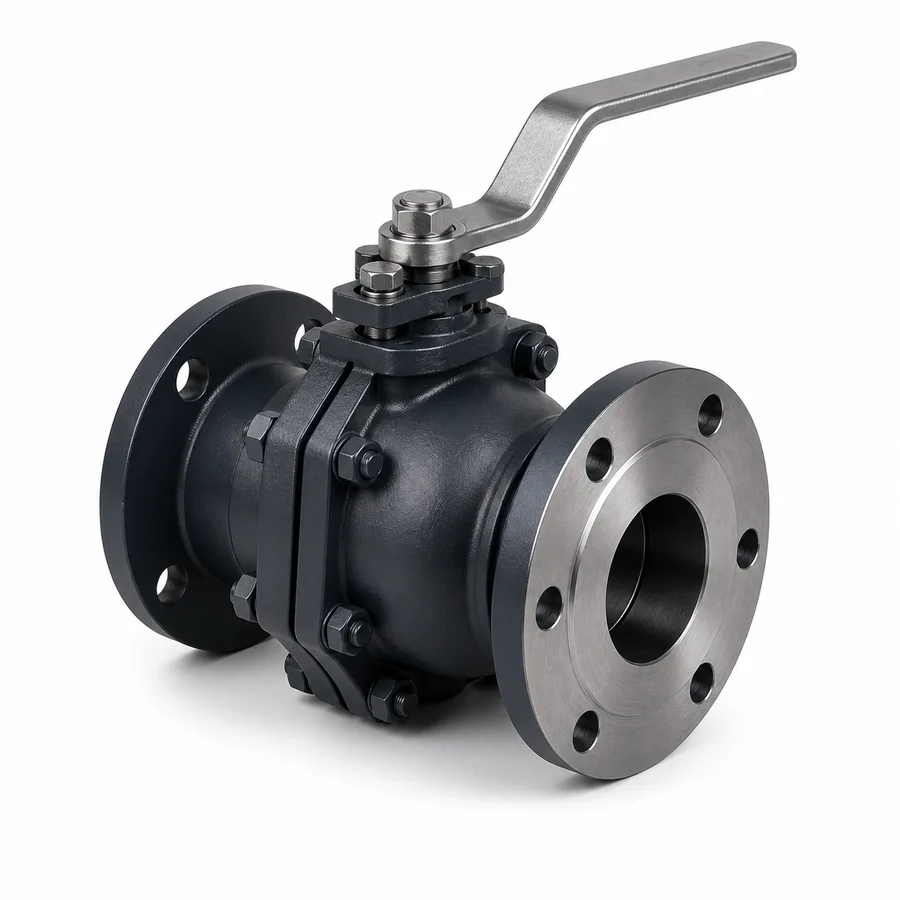 valvula bola acero al carbon bridada
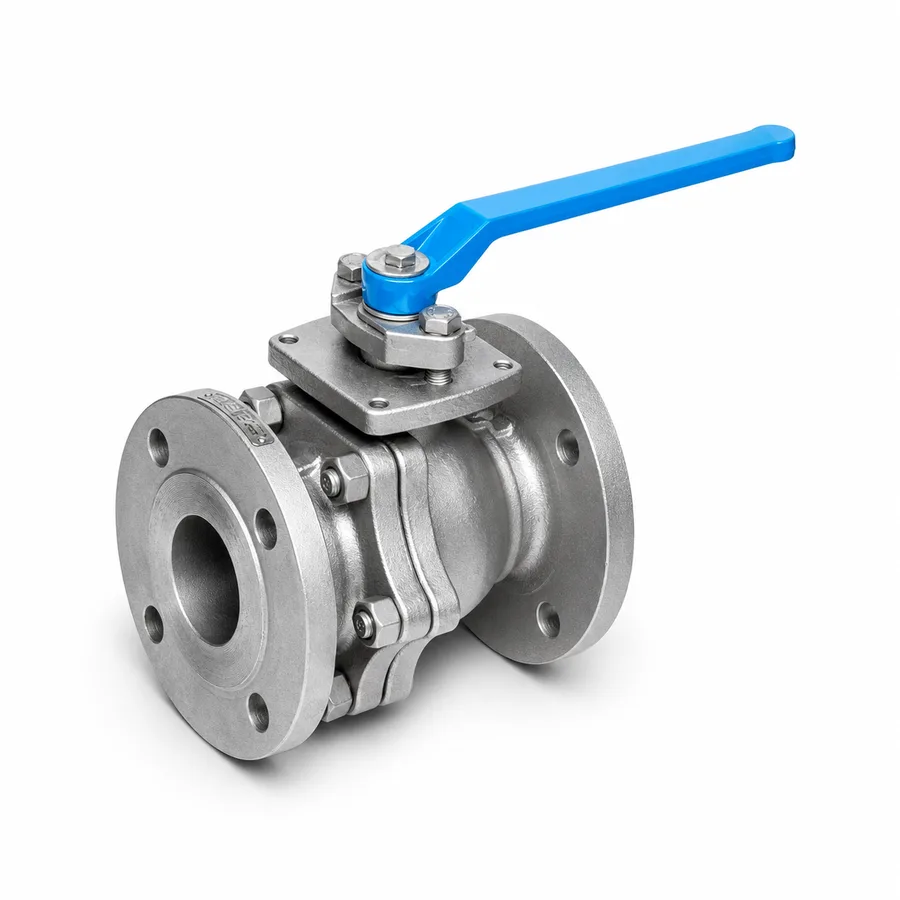 valvula bola inoxidable bridada
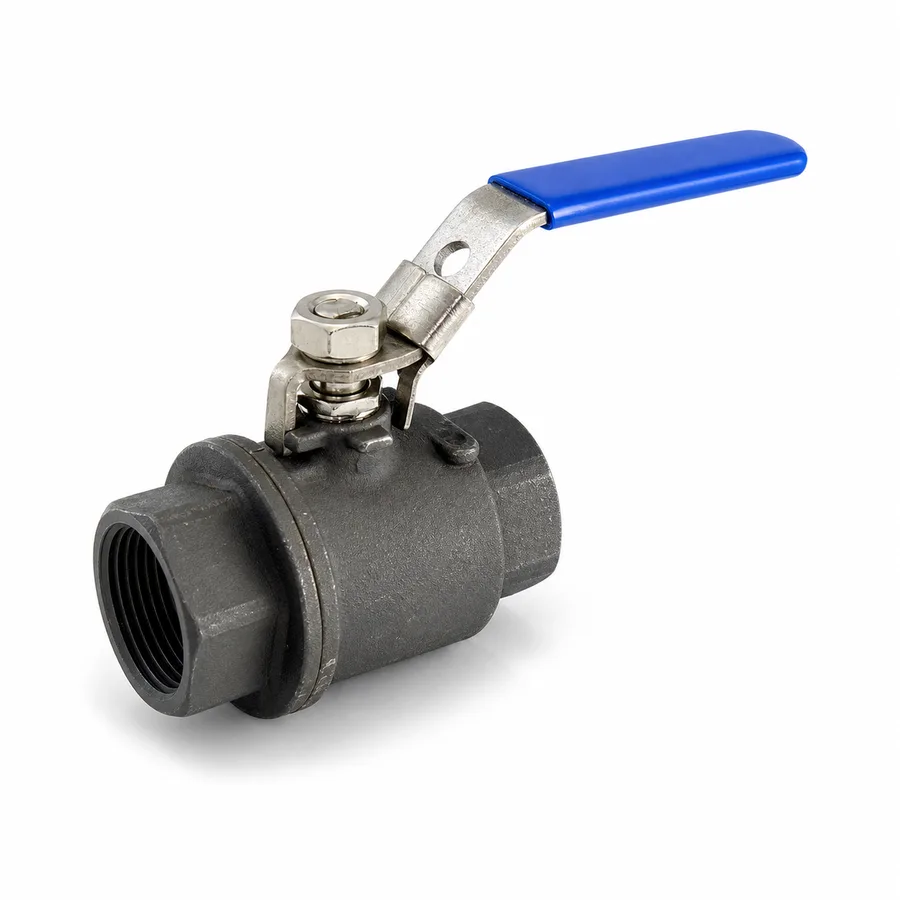 valvula bola acero al carbon 1000 psi