The butterfly valve is the most efficient option when size increases and the service needs isolation with low weight, short face-to-face length and competitive cost. Verdict: in small sizes and very tight quarter-turn shutoff, the ball valve is a strong competitor; for isolation in large water, air, HVAC, fire protection and compatible services, the butterfly valve usually wins; for buried mains or systems where full bore and maintenance tradition matter more, the gate valve can still be valid.
At TECTUL, buyers can compare the lug butterfly valve with stainless disc, the flanged concentric butterfly valve, the double-offset butterfly valve, the wafer butterfly valve with PTFE seat and the iron-body butterfly valve with stainless disc. The decision should not be based on price alone: mounting, elastomer, torque, pressure differential and operating frequency change the result.
A butterfly valve uses a disc rotating a quarter turn in the flow. When open, the disc remains in the stream, so it is not full bore like a full-port ball valve or a fully withdrawn gate valve. In exchange, it uses a short body, less metal and simple actuation. In large sizes, this difference becomes decisive: lower weight reduces support loads, simplifies installation and lowers actuator cost. As a purchasing rule, from DN 200 the butterfly valve should be compared with a gate valve; from DN 300 it is usually the first economic option in water and compatible clean services, unless full bore, internal cleaning or a specific standard is required.
Compared with a ball valve, the butterfly valve does not offer the same free bore or severe-service isolation, but it scales much better in size. A DN 300 flanged ball valve can be heavy, expensive and high-torque; a butterfly valve of the same size installs between flanges or with lugs and can use a lever, gearbox or actuator. Compared with a gate valve, the butterfly valve has shorter face-to-face length and faster operation, but seat and chemical compatibility must be checked.
| Criterion | Butterfly | Gate | Ball |
|---|---|---|---|
| DN 50 to DN 150 | Good in water and air | Valid when low open pressure drop is required | Very competitive for tight shutoff |
| DN 200 to DN 300 | Compare as a main option | Higher weight and length | Cost and torque rise quickly |
| Above DN 300 | Often wins by weight and price in compatible services | Useful in mains and freer-bore duties | Only when process need justifies it |
| Simple throttling | Suitable within curve and recommended range | Not recommended | Not ideal except control designs |
A wafer valve is installed between two flanges using through bolts. It is compact and economical, ideal when the line does not need one-side removal while the other side remains pressurized. Centering and sealing depend on careful installation: aligned flanges, correct bolts, enough opening to avoid seat damage and uniform torque.
A lug valve has threaded or through lugs on the body. It allows bolting from each side and, depending on design and manufacturer rating, can support downstream maintenance. Not every lug valve is automatically suitable for dead-end service at full pressure; that condition must be stated in the datasheet and purchased as a requirement.
A flanged butterfly valve has integral body flanges and is used in larger sizes, water networks, pumping stations and installations where robust alignment is desired. It is longer and heavier than wafer, but gives stable mounting. For large diameters, check removal space, weight, lifting and gearbox access.
In a concentric butterfly valve, the stem axis passes through the center of the disc and seat. Shutoff is achieved by interference between disc and elastomer. It is common in water, air, HVAC and moderate-pressure services with EPDM, NBR or PTFE. A double-offset design shifts the axis to reduce friction during opening and closing; this improves wear and allows more demanding pressure or temperature depending on design. Triple-offset valves use conical geometry and metal or laminated seats for severe service, high temperature or low-friction shutoff.
EPDM is frequent in water, moderately hot water, air and many non-oily services. NBR is used when oils, compatible fuels or light hydrocarbons are present within datasheet limits. PTFE is selected for higher chemical resistance against many corrosive fluids, but changes torque, allowable temperature and cost. The seat is not selected by color or stock; it is selected by fluid, concentration, temperature, cleaning, pressure differential and operating frequency.
API 609 covers wafer, lug and double-flanged butterfly valves for industrial service. MSS SP-67 is used for general-purpose butterfly valves and MSS SP-68 for high-pressure offset designs. AWWA C504 is a waterworks reference for rubber-seated butterfly valves. ASME B16.34 applies when pressure-temperature classes are specified under that framework. In technical purchasing, the standard defines dimensions, pressure, testing and common language among buyer, installer and inspector.
The most expensive mistake is installing a butterfly valve with the disc partly open and hitting the seat against the flanges. Before tightening, confirm that the disc can rotate without interference with pipe, gasket or flange. Use the recommended tightening pattern, do not force alignment with bolts and leave room for lever, gearbox or actuator. In large sizes, operating torque may justify a gearbox even when the new valve feels easy to move.
For throttling, do not assume every butterfly valve controls well through the full travel. Near closed, small openings change flow sharply; near open, control authority falls. If the process needs stable control, select valve, actuator and positioner with manufacturer Cv data or flow curve. For simple isolation, seat, pressure differential and cycle count are the priorities.
When receiving a butterfly valve, verify marking, DN, pressure, mounting direction, disc material and seat material. Check that the disc is not damaged, the seat is not cut and the actuator completes 90 degrees without interference. In maintenance, do not paint the seat, do not use the valve as a lever point to align piping and do not replace a lever with an actuator without reviewing opening and closing torque. If the valve will operate buried, outdoors or with frequent cycles, shaft protection, gearbox condition and mechanical stops matter as much as the body.
For documented purchasing, state whether the valve is for isolation, occasional throttling or automated service. That single line changes the actuator, seat choice and acceptance criteria. Also confirm whether the pipeline can be depressurized on both sides before maintenance; if it cannot, lug or flanged construction needs explicit review instead of assuming every body style behaves the same.
Use a butterfly valve as the first comparison from DN 200 and as the main option in large sizes for water, air and compatible clean services where weight, cost and length matter. Use wafer for economical between-flange installation, lug when side removal is required under verified conditions and flanged for large diameters or robust networks. Select EPDM, NBR or PTFE by real compatibility. At TECTUL, provide fluid, DN, pressure, temperature, existing flanges, cycles and actuation method; then the butterfly valve is purchased by performance rather than appearance.
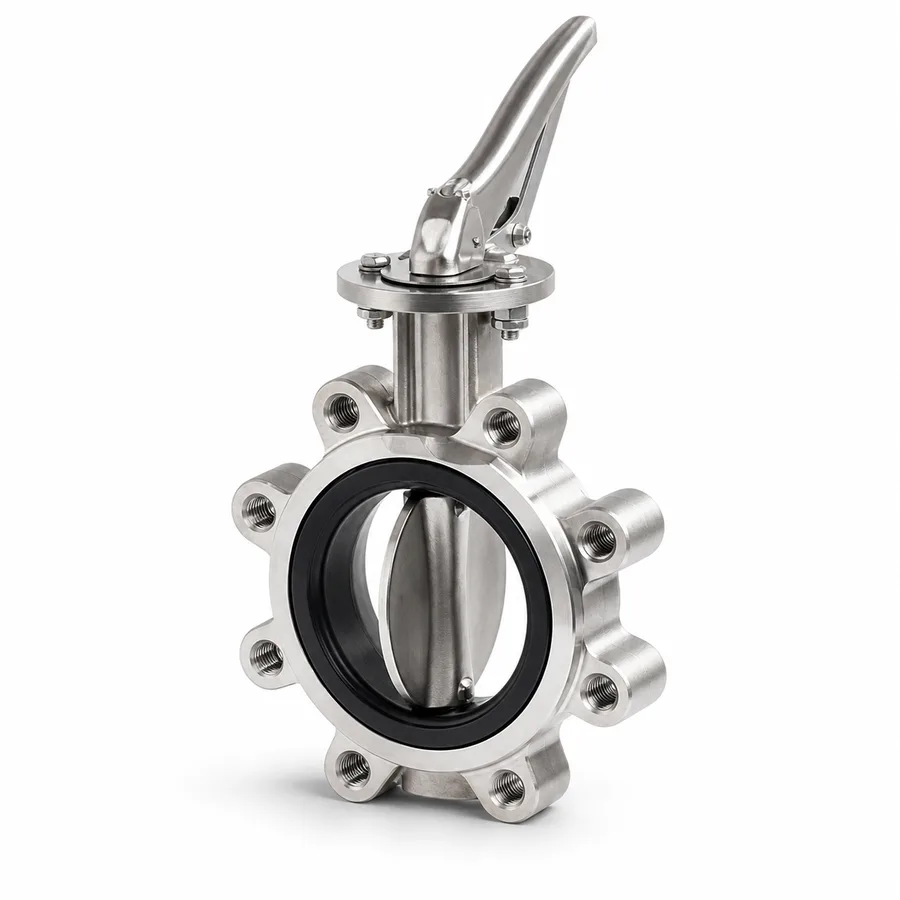 valvula mariposa lug disco inoxidable
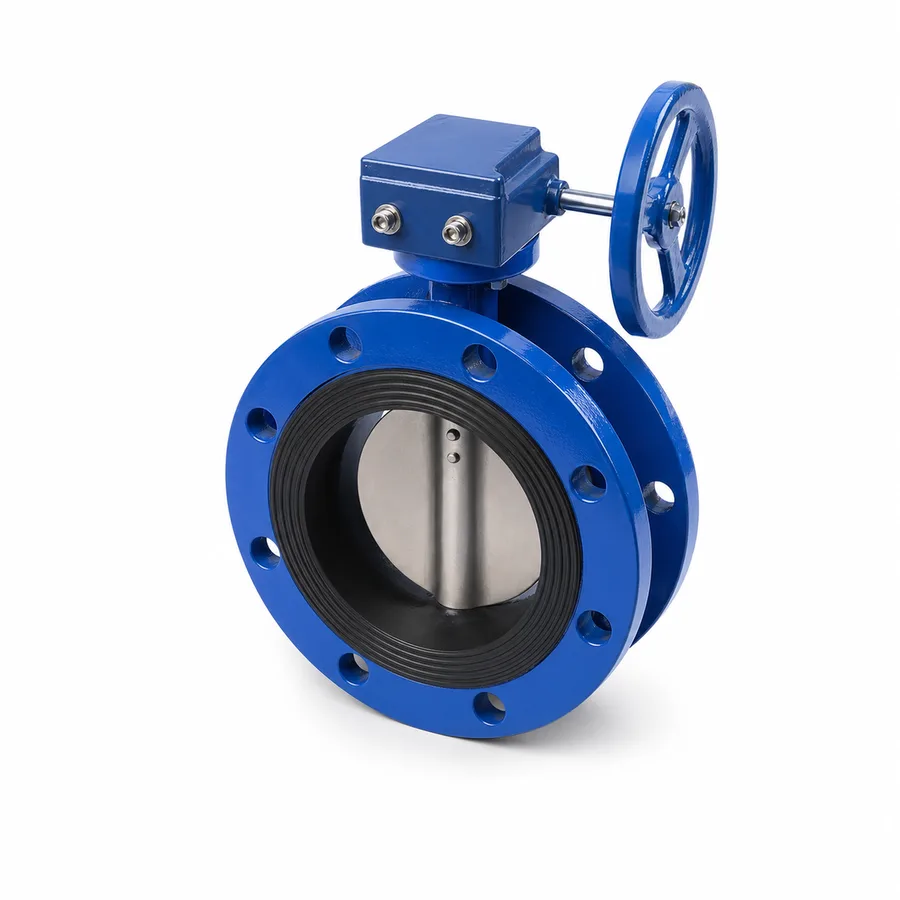 valvula mariposa bridada concentrica
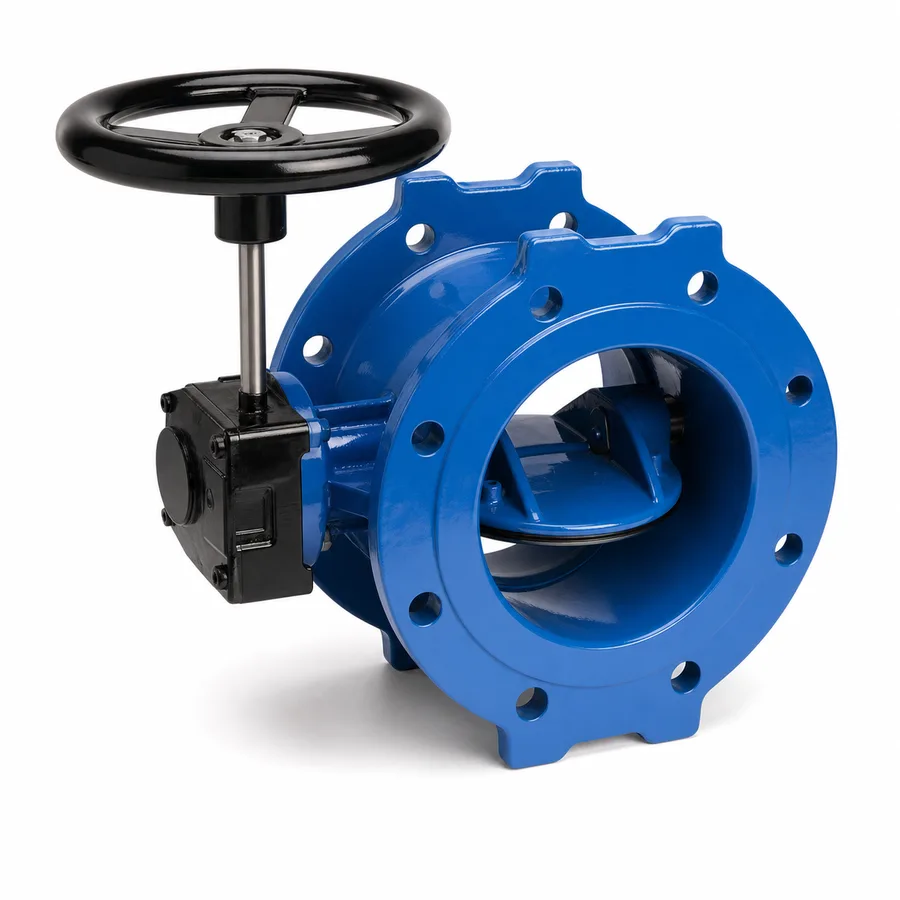 valvula mariposa doble excentricidad