 TECTULby IMR
Liquid PTFE thread sealant — anaerobic sealant for high-temperature service
TECTUL · Dispatch across Colombia · Exports to Central & South America
Liquid PTFE thread sealant, anaerobic cure, medium strength, for metal threaded connections in chemical process piping, instrumentation, high pressure, steam, compressed air and fire protection lines. Per the manufacturer's data sheet, it fixtures in 4 hours, reaches the declared full cure in 24 hours, and its maximum resistance —10,000 psi (689 bar) pressure and 204 °C working temperature— is measured at 72 hours. It replaces PTFE tape with an advantage on large diameters, damaged or irregular threads and vibrating service; it is not recommended on plastic pipe, pure oxygen or chlorine, and it does not declare a specific fuel-gas certification.
Important: Before using these data in engineering, design or installation decisions on systems exposed to mechanical, pressure, rupture, fatigue, impact or water-hammer risk, it is essential to read the technical notice and limitation of liability at the end of this sheet.
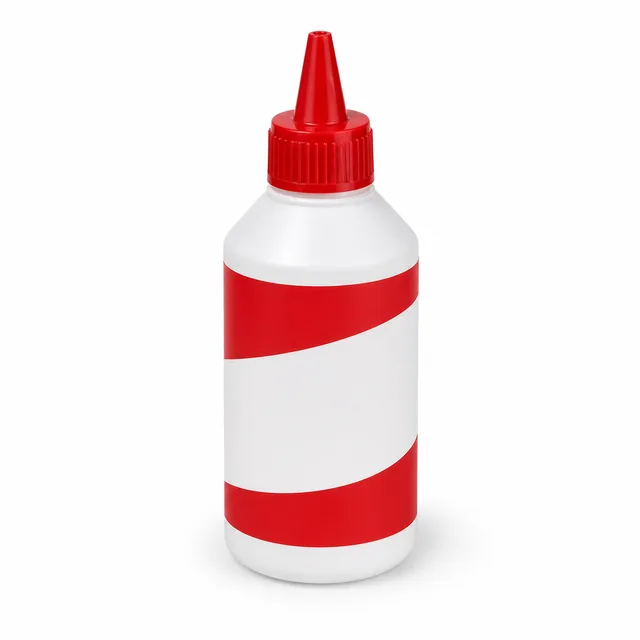
SKU VT-58704 (50 ml liquid PTFE sealant, factory ref. 1104005) · anaerobic PTFE sealant · sold by the unit
1. Technical specifications
Before cure
| Parameter | Value |
|---|---|
| Appearance | Viscous fluid |
| Color | White |
| Specific gravity | 1.21 · density ≈ 1,210 kg/m³ |
| Viscosity at 25 °C | 350,000 cP · 350 Pa·s |
| Fixture time | 4 h |
| Full cure time (declared) | 24 h at 24 °C |
| Shelf life unopened | 3 years, sealed original container |
| Declared chemical resistance | Gasoline, oil, water, glycol, hydraulic fluid, freon, brake fluid |
IMPORTANT
This data sheet is a reference guide to the properties of this product type. The measurements, dimensions and physical or geometric characteristics of the product actually supplied may vary by manufacturer and lot, and may even fall outside the cited standards. If any of these figures is critical to your design or build, it is essential to verify it with one of our advisors against the physical product, so you can be fully certain of what you are buying. · Original data sheet: tectul.com/en/conduccion-de-fluidos/sellado-y-union-de-tuberias/ficha-tecnica-teflon-liquido.html
Cured — 72 h after application, at 24 °C
| Parameter | Value |
|---|---|
| Appearance | Solid, polymer |
| Pressure resistance | 10,000 psi · 689 bar (69 MPa) |
| Working temperature | −65 °F to +400 °F · −54 °C to 204 °C |
| Breakaway torque | 40 lb·in · 4.5 N·m |
| Maximum recommended pipe size | 2″ NPT · DN 50 |
IMPORTANT
This data sheet is a reference guide to the properties of this product type. The measurements, dimensions and physical or geometric characteristics of the product actually supplied may vary by manufacturer and lot, and may even fall outside the cited standards. If any of these figures is critical to your design or build, it is essential to verify it with one of our advisors against the physical product, so you can be fully certain of what you are buying. · Original data sheet: tectul.com/en/conduccion-de-fluidos/sellado-y-union-de-tuberias/ficha-tecnica-teflon-liquido.html
General specifications
| Product | Liquid PTFE thread sealant, anaerobic cure, medium strength, for metal threaded pipe |
| Base | Anaerobic sealant —polymerizes in the absence of air and in contact between two metal surfaces— with PTFE filler |
| Presentation | 50 ml blister pack, 6 units per box (factory reference 1104005) |
| TECTUL SKU | VT-58704 · variant VT-58704-01 (50 ml) |
| Storage | Cool, dry place between 8 °C and 28 °C (46 °F–82 °F), away from sunlight, sealed original container |
| Do not use on | Plastic pipe or surfaces, pure oxygen systems, chlorine or other strong oxidizing materials |
⚠ Important: this technical data sheet is a reference guide to the product's properties; it is not a quality certificate for the product you are buying. Heats vary from one another and may differ from the values stated here, or even depart from the standards. If your application requires compliance with a standard, always check the quality certificate (mill certificate) of the lot you are buying. If in doubt, ask one of our technical advisors →
2. Tape or liquid: when to use each
The decision rule
On large diameters, irregular or damaged threads, and lines subject to vibration, liquid PTFE sealant is the correct technical choice over tape: it fills thread imperfections instead of depending on the number of wraps and the tension applied, and once assembled it sets as a solid between the two metal surfaces instead of relying only on friction.
| Situation | Recommendation | Why |
|---|---|---|
| Large diameter | Liquid | Hand-wrapped tape loses uniformity on large threads; the liquid bead covers the whole thread evenly |
| Irregular, worn or damaged thread | Liquid | The sealant fills gaps and imperfections; tape cannot compensate for an out-of-tolerance thread |
| Vibrating service (pumps, compressors, machinery) | Liquid | Cures as a solid between the threads and does not loosen from vibration; tape can lose tension over time |
| Fine orientation adjustment (instruments, fittings that must land at an exact angle) | Liquid | Sealing does not depend on how many tape wraps remain after the final adjustment |
| Routine maintenance, small diameter, low pressure, frequent disassembly | PTFE tape | Instant application, no cure time, and clean disassembly with no hardened residue |
What liquid gains over tape
The manufacturer states that, due to its high lubricating property, the liquid sealant prevents oxidation and displacement of the part at the moment of assembly, something tape —dependent on wrap friction— does not equally guarantee. Industry technical literature agrees that liquid sealant resists vibration better and fills damaged or irregular threads better than tape, in exchange for requiring a cure time (minimum 24 h) that tape does not need, and a more demanding disassembly once cured.
3. Application: preparation, coverage and cure time
Application steps (manufacturer)
- Clean and dry the parts to be sealed thoroughly, removing dust, grease and oil from the thread.
- Apply the sealant to the thread as a continuous bead, covering the flights without excess: over-application makes assembly harder and does not improve the seal.
- Assemble the parts immediately: it is an anaerobic product that only polymerizes in the absence of air and in contact between two metal surfaces, so it must not sit exposed to air before assembly.
- Let the assembly cure without subjecting it to pressure.
Time before pressurizing
| Cure point | Time | What it guarantees |
|---|---|---|
| Initial fixture | 4 h | The part is fixed in place; not enough time to expose the line to pressure |
| Full cure (minimum before pressurizing) | 24 h at 24 °C | Minimum point declared by the manufacturer for subjecting the assembly to pressure and solvents |
| Verified maximum resistance | 72 h at 24 °C | The pressure resistance (10,000 psi) and breakaway torque (40 lb·in) figures were measured at this point |
For low or medium service pressure, the assembly can enter service at the full-cure point (24 h). To demand the published maximum rating (10,000 psi · 689 bar) from the connection, wait for the 72 h point the manufacturer used to measure that value; it is not declared reachable earlier.
Does not apply to plastic pipe or surfaces, and is not recommended for pure oxygen systems or as a sealant for chlorine or other strong oxidizing materials. During use, keep metal particles out of the container: they contaminate the product and trigger polymerization inside the tube.
4. Frequently asked questions
How long does liquid PTFE sealant take to dry?
It fixtures in 4 hours and reaches the manufacturer's declared full cure in 24 hours; the maximum resistance figures (10,000 psi pressure and 40 lb·in breakaway torque) are measured at 72 hours, so to demand the maximum rating from the connection it is best to wait for that point.
Does it withstand hot water or steam?
Yes: the manufacturer declares a working temperature for the cured polymer between −54 °C and 204 °C (−65 °F to 400 °F) and applies it to steam networks, hot water and heating systems; also confirm chemical compatibility with the line's actual fluid.
Does it work for gas?
The manufacturer's data sheet declares general resistance to gases but does not include a listing or specific certification for fuel gas (natural, LPG or similar) such as UL, CSA or the applicable NTC standard. Without that certificate it must not be specified for domestic or industrial gas networks; TECTUL confirms on quotation whether a certified reference for that service exists.
Does it replace PTFE tape?
Yes, the manufacturer states it as a direct, efficient replacement for traditional PTFE tape, with an advantage on large, damaged or irregular threads and in vibrating service; for frequent disassembly on small diameters and low pressure, tape remains more practical.
Does it work on plastic threads?
No. The manufacturer explicitly states this sealant must not be applied to plastic pipe or surfaces; for that material a product formulated specifically for plastic must be used.
What is the maximum recommended thread diameter?
2″ NPT, approximately DN 50, per the manufacturer's catalog; above that size confirm with TECTUL a different reference or sealing method.
5. Application notes
Feasibility
It is the right choice for metal threads on chemical process piping, measuring instrument fittings, high-pressure piping, steam, compressed air and fire protection networks, oil lines, refrigerants, fuel fittings and brake fluid, per the manufacturer's own application list. It is not specified for plastic pipe or surfaces, nor for pure oxygen systems, chlorine or other strong oxidizing materials. Domestic or industrial fuel gas requires a reference with specific certification for that service, which this product does not declare.
Installation
Clean and dry the thread before applying, removing dust, grease and oil. Apply the sealant as a continuous bead on the flights, without excess, and assemble immediately: it is an anaerobic product that only cures in the absence of air and in contact between two metal surfaces, so it must not sit exposed to air before assembly. Do not pressurize the assembly before 24 hours of cure at 24 °C, and note that the published maximum resistance (10,000 psi, 40 lb·in breakaway torque) was measured at 72 hours. Keep metal particles out of the container during use: they contaminate the product and trigger polymerization inside the tube. Use polyethylene, neoprene or latex gloves and apply in a ventilated area.
Design
The 10,000 psi rating and the −54 °C to 204 °C thermal range are manufacturer catalog values for the polymer cured 72 hours, not a batch conformance certificate nor a piping or fitting standard class. The connection's real allowable pressure and temperature are still set by the weakest component in the system —pipe, fitting or valve— not by the sealant. For fuel gas, oxygen or other services requiring a specific listing or certification, confirm the right reference with TECTUL before specifying this product. Final selection is the responsibility of the line designer per the project code and its current edition.
6. Technical notice and limitation of liability
The values in this sheet are catalog data published by the manufacturer ("High Temperature Thread Sealant" data sheet, rev. Sep-2014) for the product before cure and cured at 72 hours at 24 °C; they guide selection and are not a certificate of conformance for any batch. The comparative data between liquid sealant and PTFE tape comes from general industry technical literature (see sources) and describes typical behavior for this product family, not a TECTUL-run test on this specific reference.
This product does not declare a specific certification for fuel gas, pure oxygen or chlorine service or other oxidizers: outside the applications the manufacturer expressly lists, confirm compatibility with TECTUL before specifying. Certifying a batch requires the safety data sheet (SDS) and the manufacturer's certificate on request. Final selection of sealant, material and joining method is the responsibility of the line designer per the project code and its current edition.
Sources
- Ficha técnica de fabricante "Sellador de Roscas Alta Temperatura" con Teflón®, rev. sep-2014 (documento del repo fichas-rescate/teflon-liquido.pdf; referencia de fábrica 1104005, presentación 50 ml en blíster, coincide con la variante VT-58704-01 vendida por TECTUL)
- Tameson — Thread Sealant Types and How to Use It (tameson.com/pages/thread-sealant): comparación general entre cinta y sellador líquido de PTFE
- PVC Fittings Online — Pipe Thread Sealant vs Polytetrafluoroethylene (PTFE) Tape (pvcfittingsonline.com/blogs/resource-center/pipe-thread-sealant-vs-polytetrafluoroethylene-ptfe-tape): ventajas del sellador líquido en roscas dañadas, irregulares y con vibración
- ToolGrit — Pipe Thread Sealant Selection Guide (toolgrit.com/guides/pipe-sealant-selection-guide): los sellantes para gas combustible requieren listado o certificación específica (tipo ANSI/UL, CSA, AGA), distinta de la resistencia química general a gases declarada en fichas de producto
This data sheet is the property of TECTUL, part of the Industrias IMR group. Reproduction without attribution is prohibited. Original document and updates: tectul.com/en/conduccion-de-fluidos/sellado-y-union-de-tuberias/ficha-tecnica-teflon-liquido.html.