
Cable gland with nut — sealed cable entry into a cabinet or enclosure
TECTUL · Dispatch across Colombia · Exports to Central & South America
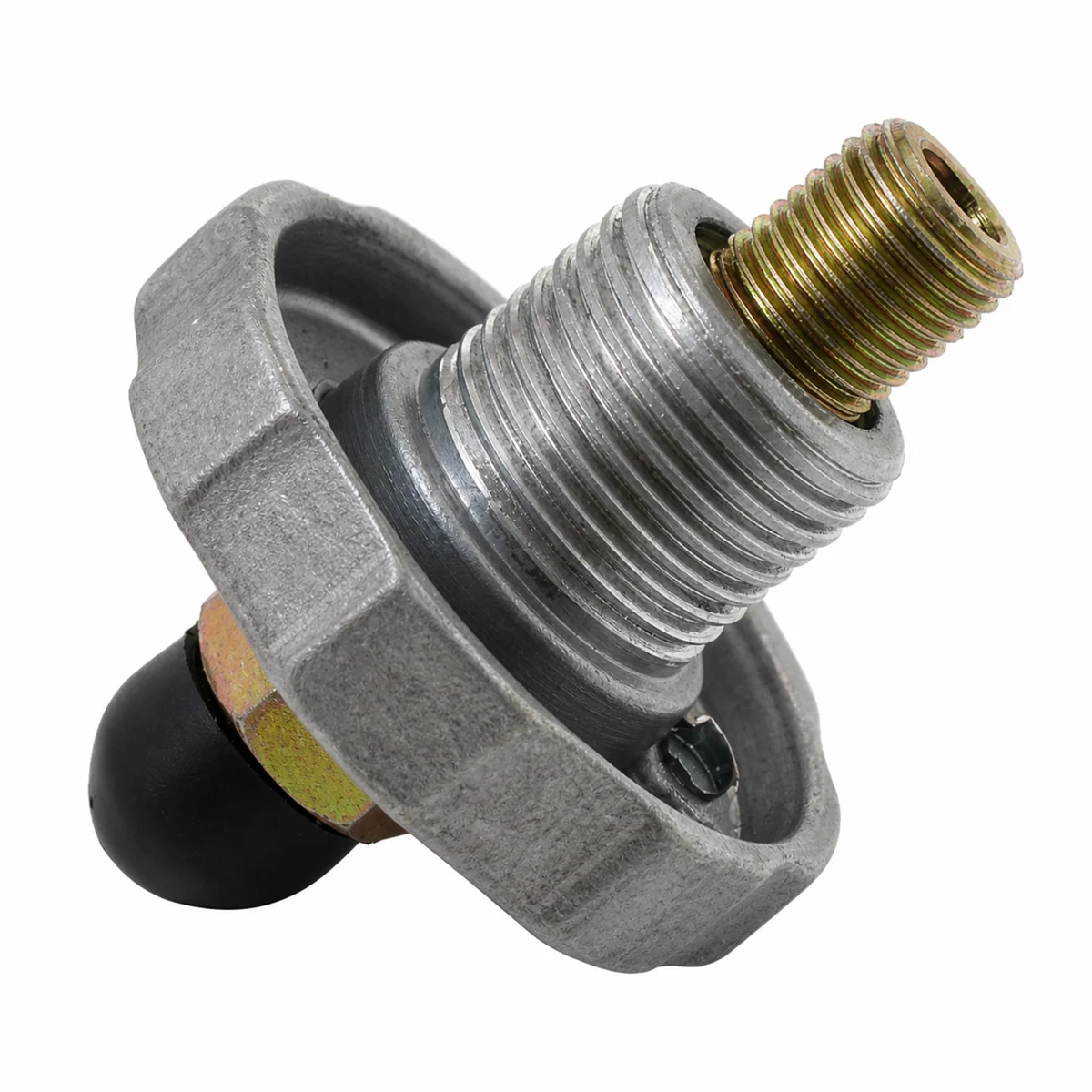
This product's current commercial page describes it as "a gland with a nut to seal and secure a gland-type connection on gas fittings or lines", but the product's actual photograph unambiguously shows a nickel-plated metal cable gland: a threaded body, a rear compression nut and an internal O-ring/elastomeric seal, designed for the sealed passage of an electrical cable through the wall of a cabinet, panel or equipment enclosure — it has no fluid flow path and is not installed on a gas line. This sheet documents the actual product per its photographed geometry.
Important: Before using these data in engineering, design or installation decisions on systems exposed to mechanical, pressure, rupture, fatigue, impact or water-hammer risk, it is essential to read the technical notice and limitation of liability at the end of this sheet.
SKU VT-glandula-con-tuerca (metal cable gland) · sold by the unit
1. Technical specifications
| Actual product (per photograph) | Nickel-plated metal cable gland: threaded body + rear compression nut + internal O-ring/elastomeric seal |
| Function | Seal and mechanically fix an electrical cable as it passes through a cabinet, panel or equipment enclosure wall, with dust and moisture protection at the entry point |
| Material | Nickel-plated metal (exact alloy not specified in the available manufacturer sheet) · elastomeric O-ring |
| Thread/cable range | Confirmed on quotation — no dedicated dimensional sheet; the industry catalog for this type of cable gland typically ranges M12 to M63 (metric) or PG7 to PG48 |
| Current commercial description to correct | "Gland with Nut to seal and secure a gland-type connection on gas fittings or lines" — does not match the photographed geometry of a cable gland |
This sheet does not repeat the gas description from the current product page because the product's own photograph clearly contradicts it; updating that commercial description is recommended.
2. Frequently asked questions
Is this product for a gas line?
No. The product photograph shows an electrical cable gland (threaded body + nut + O-ring, no internal flow path), not a gas-conveyance fitting. The current product page's description does not match the photographed part.
What thread and cable range does it have?
Not published in a dedicated dimensional sheet; confirm the cable diameter range and thread (metric or PG) with the supplier before purchasing.
What IP protection does it offer?
Not declared in the available sheet; cable glands of this type typically reach IP65 or IP68 depending on the manufacturer — confirm the specific rating of this reference.
3. Application notes
Feasibility
Suitable as a sealed electrical cable entry on cabinets, panels or equipment enclosures with dust and moisture protection. It is not a fluid or gas conveyance fitting.
Installation
Insert the cable through the body and the O-ring before threading the compression nut; tighten until the O-ring compresses against the cable without damaging its insulation. Verify the cable diameter is within the reference's range.
Design
Confirm the thread, cable diameter range and IP protection grade with the supplier before specifying in a cabinet with an environmental requirement. Recommend updating the gas commercial description to the electrical cable gland one.
4. Technical notice and limitation of liability
The pressures, dimensions, weights and other characteristics in this sheet are theoretical calculation values obtained from nominal properties published in the standards cited (ASME B36.10-2022, ASME B31.3-2024, ASTM A106/A106M-19a, ASTM A53/A53M-24, API Spec 5L 46th ed.). They guide selection; they are not a certificate of conformity for any given lot.
The actual behavior of each lot varies with manufacturing — wall tolerance (up to −12.5%), out-of-roundness, residual stresses — and with the raw material — chemical composition within the ranges the standard allows, heat-to-heat differences. To certify a lot, the tests defined by its product standard are required: tensile test, flattening test and hydrostatic test, documented in the manufacturer's mill test certificate (MTC), which TECTUL supplies upon request; testing of the lot in an independent laboratory can also be arranged.
These values must not be used as the sole criterion in critical or safety applications, or wherever failure of the line may compromise people, property or the environment: in such cases the design belongs to the project's responsible engineer under the applicable code (ASME B31.3, B31.1 or the one governing the installation), with the design temperature, corrosion allowance and load cases of the actual service. Before deciding with these data, consult our technical team.
Sources
- Fotografía de producto TECTUL "Glándula con Tuerca" (previews/img/productos/glandula-con-tuerca.webp): geometría de cuerpo roscado, tuerca de compresión y o-ring, consistente con un prensaestopas de cable, no con un accesorio de gas
This data sheet is the property of TECTUL, part of the Industrias IMR group. Reproduction without attribution is prohibited. Original document and updates: tectul.com/en/conduccion-de-fluidos/racores-y-acoples/ficha-tecnica-glandula-con-tuerca.