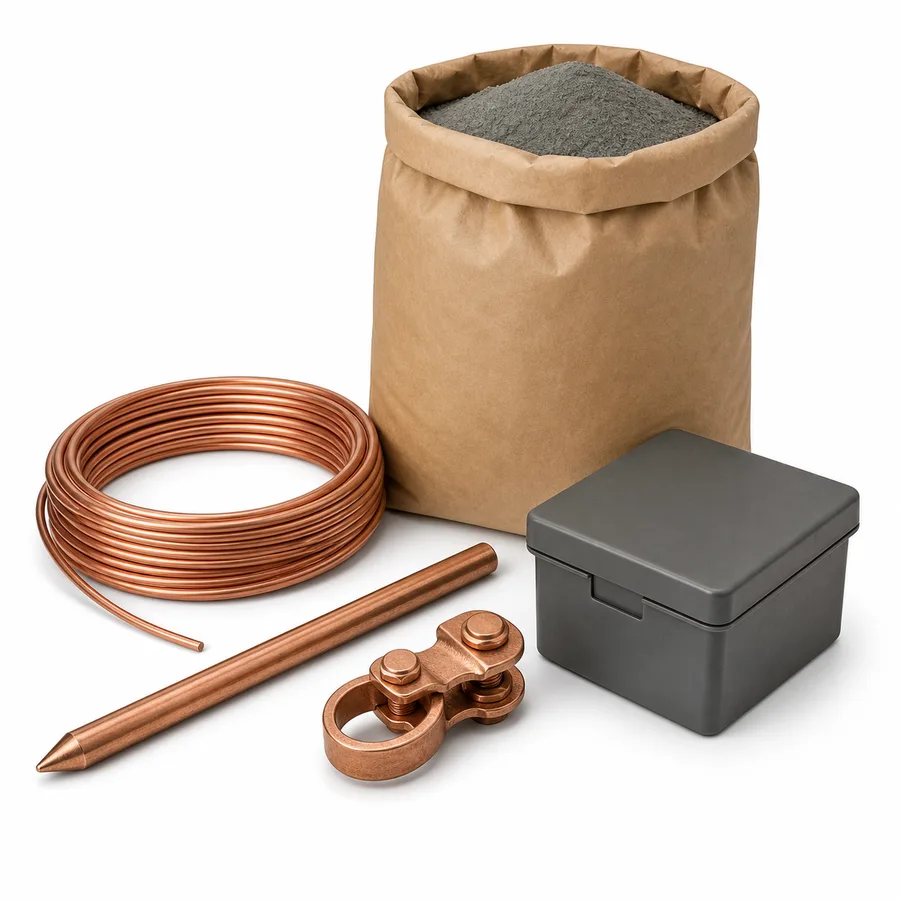
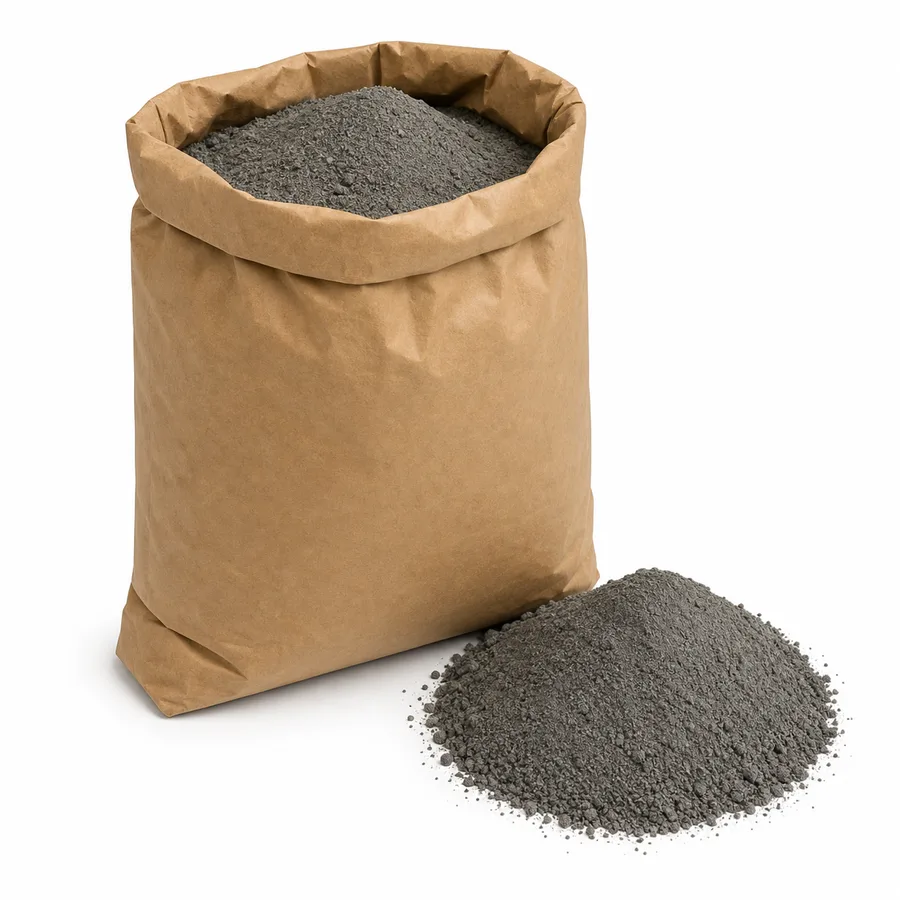
Conductive cement / soil enhancer to reduce resistivity in grounding systems, supplied in 25 kg bags.
Tell us the reference or key specification (current, power, gauge, size), quantity and city — a technical advisor sends your quote the same business day.
Conductive cement is a ground-enhancement compound per IEC 62561-7: it lowers resistivity around the electrode in dry, rocky or sandy soils and sets into a stable conductive mass that does not wash away. Sold in 25 kg bags; the design target remains ≤25 Ω per electrode (NTC 2050, 250-84).
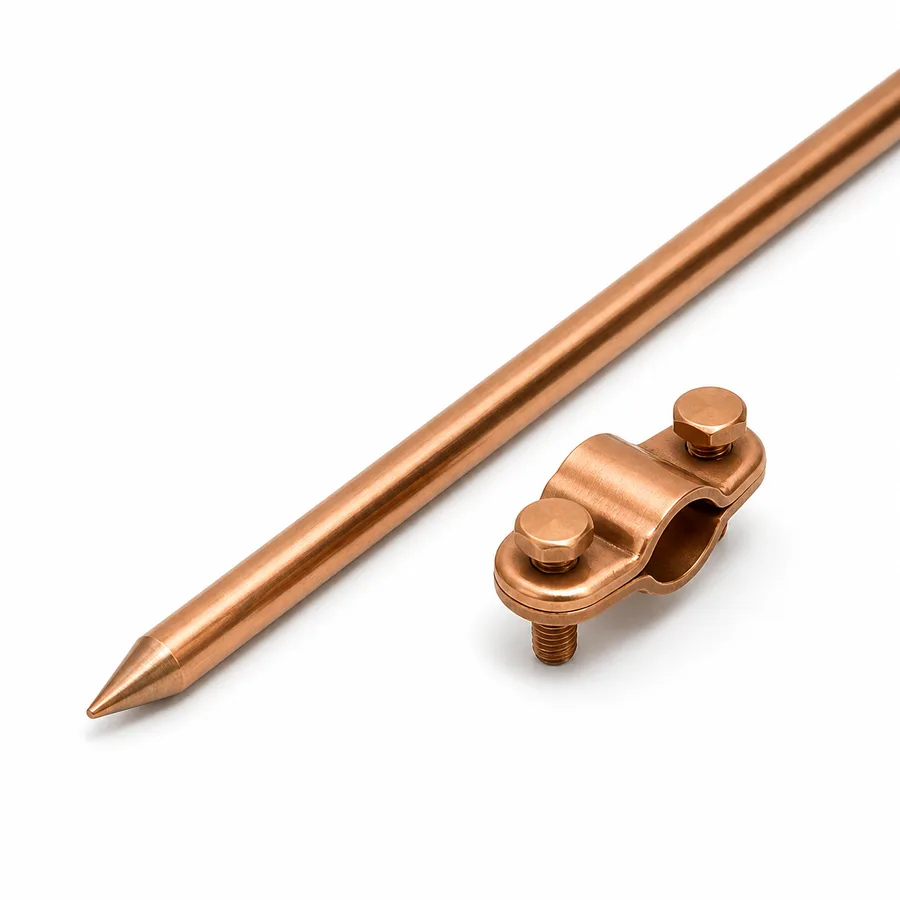
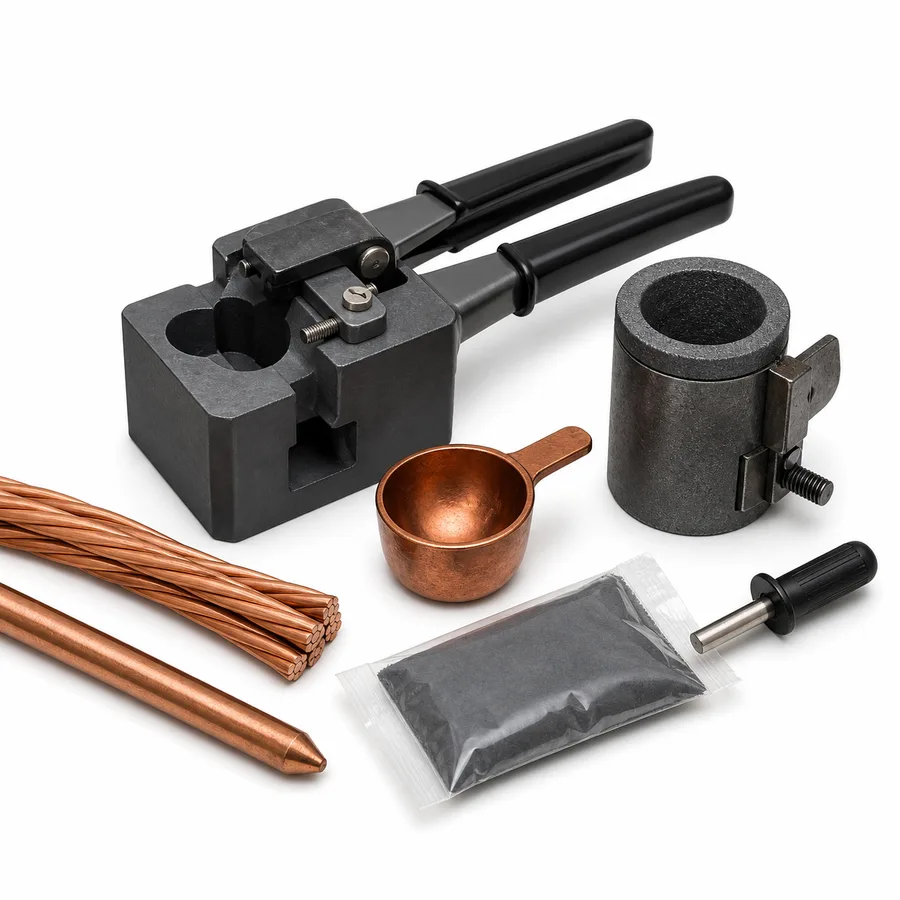
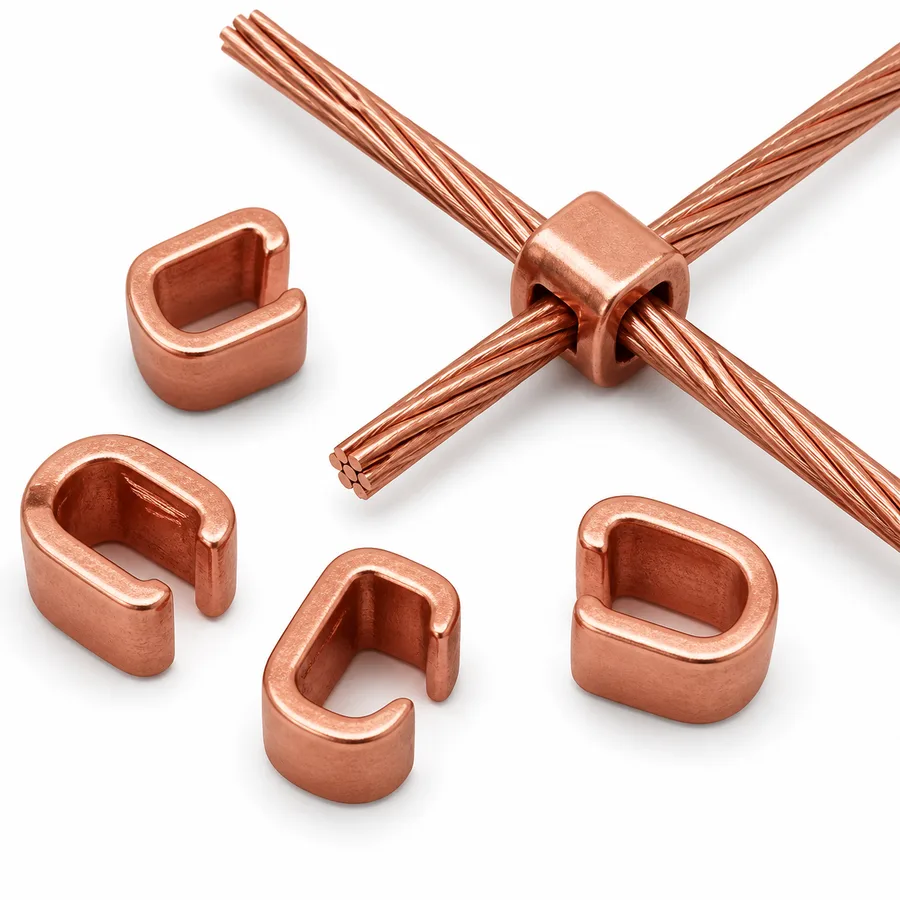
TECTUL conductive cement is a soil enhancer for grounding/earthing systems, used around rods, buried conductors or electrode arrangements when the soil requires improved electrical contact with the system. It does not replace the grounding design or by itself correct a poorly sized installation; its function is to provide a stable contact medium between electrode and soil, according to the soil evaluation and project measurements. It differs from the Copperweld rod because it is not the main electrode, but the material that accompanies the installation to help reduce contact resistance in selected soils. It also differs from the complete kit because here only the enhancing component is quoted, useful for maintenance, expansions or installations where the other elements are already defined.
| Actual lot data | Available specification |
|---|---|
| Sales unit | Quotation by industrial line |
| Indicated presentation | 25 kg bag |
| Indicated use | Soil enhancer for grounding |
We dispatch to Bogotá, Medellín, Cali, Barranquilla and all of Colombia. Request a quote via WhatsApp for conductive cement indicating number of bags, system type and delivery city.
| Ground type | Typical resistivity |
|---|---|
| Wet organic soil | ≈10 Ω·m |
| Moist soil | ≈100 Ω·m |
| Dry soil | ≈1,000 Ω·m |
| Bedrock | ≈10,000 Ω·m |
Guideline values from IEEE Std 80. In high-resistivity ground, the IEC 62561-7 compound surrounds the electrode with a permanent conductive medium; unlike salt or charcoal, it does not leach with rain or corrode the copper.
The price depends on number of bags, availability and delivery city. TECTUL quotes it via WhatsApp to avoid publishing outdated values.
The Copperweld rod acts as a grounding electrode; conductive cement is a soil enhancer that accompanies the electrode to favor contact with the ground.
It is installed around the rod or buried conductor according to the electrical design detail. Soil preparation, location and final measurement must follow the project technical criteria.
Yes. The actual lot data indicates a 25 kg bag presentation and quotation by industrial line.
It must be selected according to soil resistivity, moisture, electrode geometry and measurement target. It should not be applied without a grounding system diagnosis.
Yes. TECTUL dispatches to Bogotá, Medellín, Cali, Barranquilla and other Colombian cities according to availability and transport conditions.
When soil resistivity prevents reaching 25 Ω with conventional electrodes: dry soil (~1,000 Ω·m) or rock (~10,000 Ω·m per IEEE 80) versus a typical moist soil of ~100 Ω·m.
Not advisable: salt washes out with rain and accelerates electrode corrosion, so the improvement is temporary; an IEC 62561-7 compound keeps resistivity low permanently and does not attack the copper.
Updated: July 22, 2026