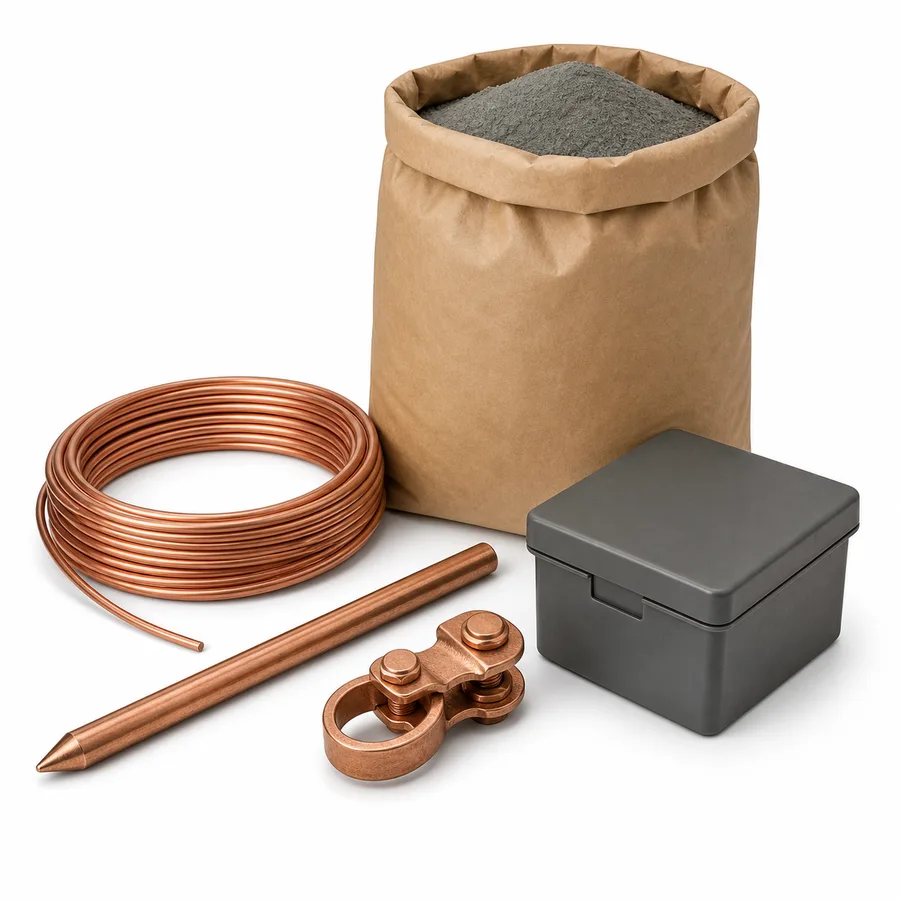
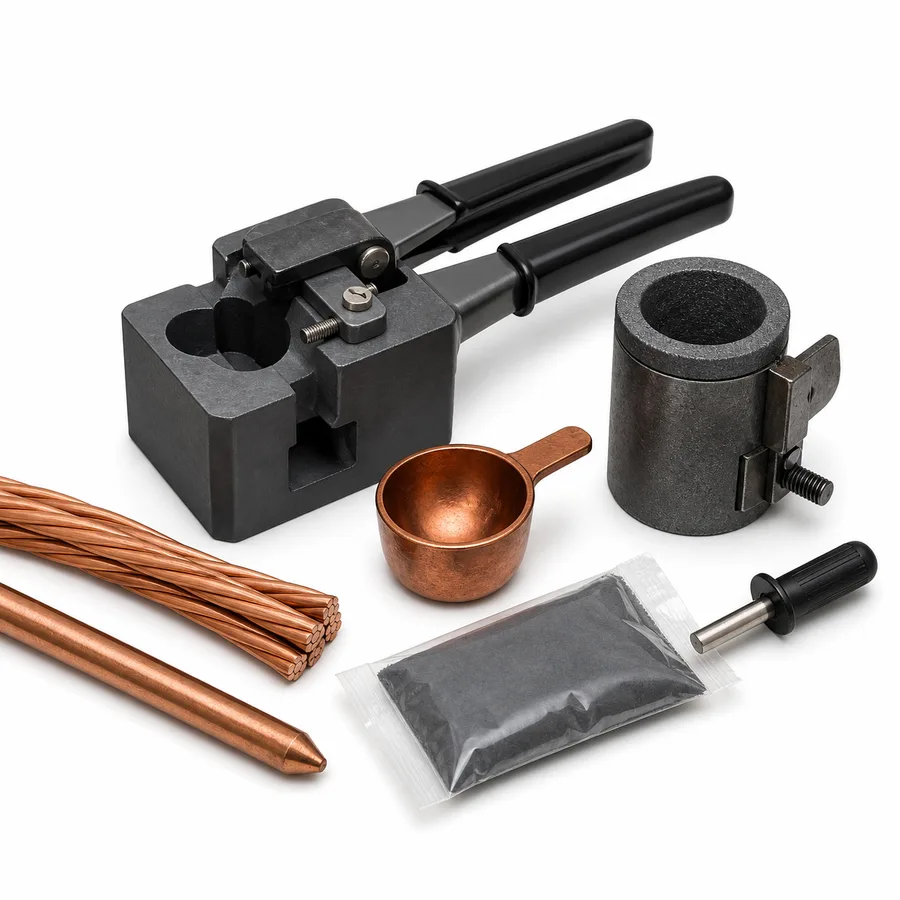
Exothermic welding charge with T molds, cable-to-rod molds and ignition accessories for permanent grounding grid joints.
Tell us the reference or key specification (current, power, gauge, size), quantity and city — a technical advisor sends your quote the same business day.
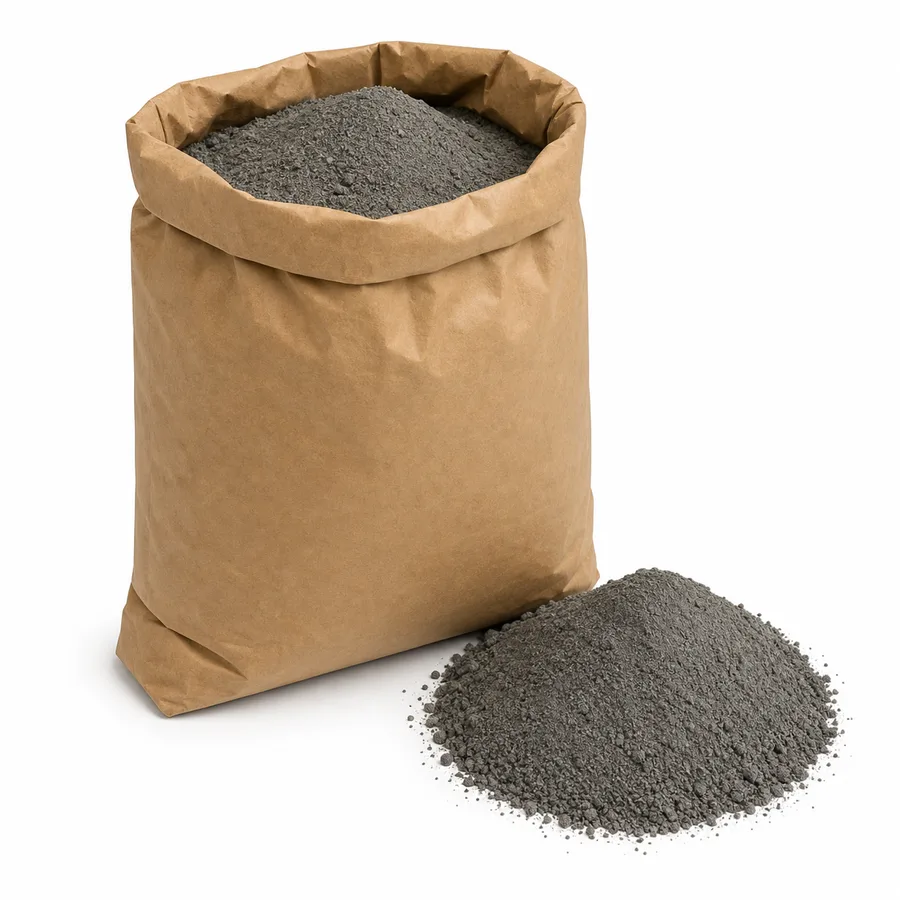
Exothermic welding joins grounding-grid conductors by fusion: the reaction of aluminum with copper oxide inside a graphite mold produces molten copper that welds the joint molecularly. It is the permanent connection type qualifiable under IEEE 837 and needs no external power: it is lit with a flint igniter.
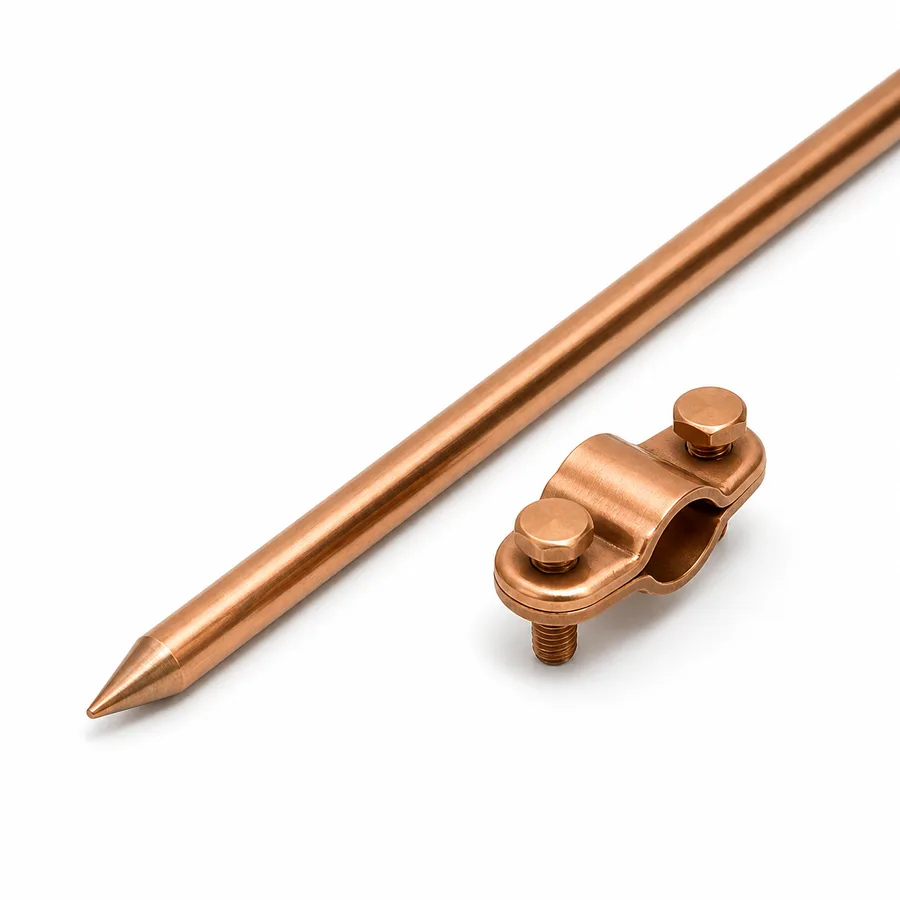
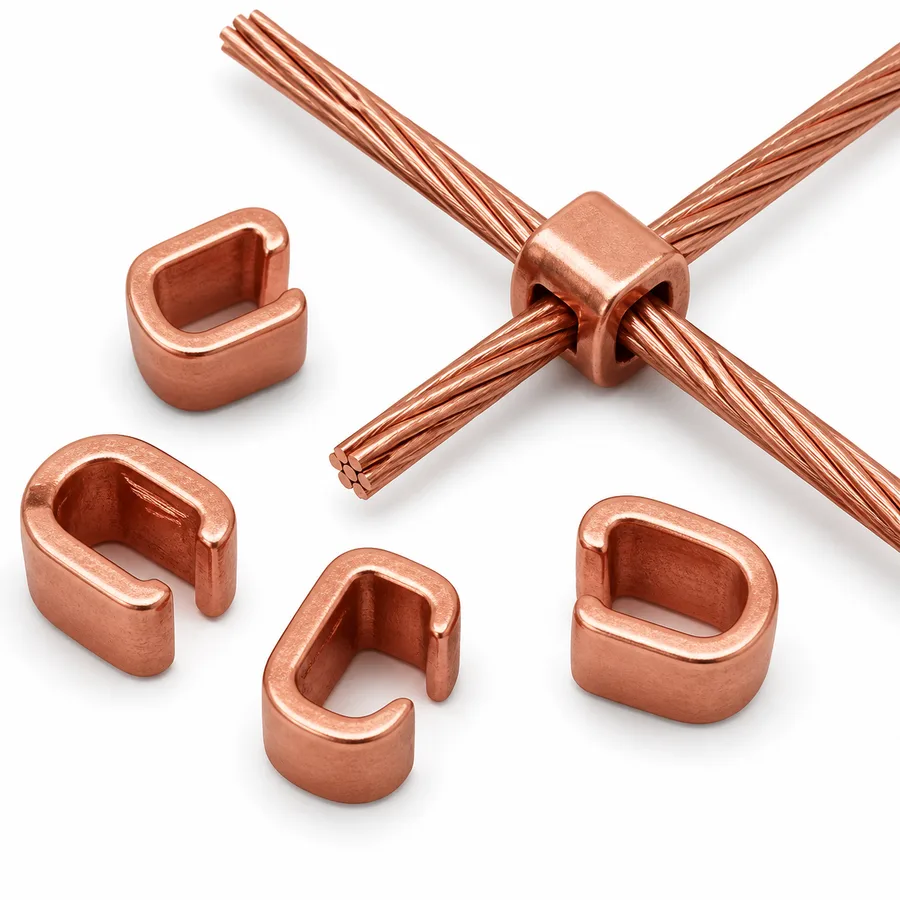
TECTUL exothermic welding and molds are used to make permanent joints in grounding/earthing systems, equipotential grids, cable taps and cable-to-rod connections. Unlike a mechanical or compression connector, the exothermic joint forms a metallurgical connection that does not depend on screws, residual pressure or periodic retightening; therefore it is specified in projects where electrical continuity and joint stability are critical. This page groups charges, T molds, cable-to-rod molds and ignition accessories according to crossing geometry, conductor gauge and electrode defined by engineering. For industrial purchasing, quote with drawing, cable gauge, rod diameter, joint type and number of shots, because the correct mold changes with each combination.
| Actual lot data | Available specification |
|---|---|
| Sales unit | Quotation by industrial line |
| Indicated application | Grounding grids and permanent joints |
| Mentioned configurations | T molds, cable to rod and ignition accessories |
We dispatch to Bogotá, Medellín, Cali, Barranquilla and all of Colombia. Request a quote via WhatsApp for exothermic welding and molds indicating gauges, number of joints and delivery city.
| Component | Detail |
|---|---|
| Graphite mold | Specific to each joint type; typical life 50 to 70 welds (catalogs) |
| Weld charge | Cartridges from 15 to 250 g by joint size |
| Flint igniter | Starts the reaction without an open flame on the charge |
| Joint types | Cable-to-cable (straight, T, X), cable-to-rod, cable-to-flat bar |
Buried grounding connections are qualified under IEEE 837 (permanent connection testing) and comply with NTC 2050 article 250. The fused joint relies on no mechanical pressure: it does not loosen or gain resistance with thermal cycles.
It is quoted by industrial line according to mold type, conductor gauge, rod diameter, required charge and quantity. TECTUL does not publish a single price because each joint changes the selection.
Exothermic welding creates a permanent metallurgical joint; the compression connector depends on proper crimping on the conductor. The choice depends on design, expected maintenance and project criteria.
The conductor is cleaned, the corresponding mold is assembled, cable and rod are placed according to the cavity, the compatible charge is used and it is executed by trained personnel following the manufacturer procedure.
Send cable gauge, rod diameter and length if applicable, crossing type, number of joints, whether you need mold or only charges, and delivery city.
Yes, it is a common solution for grounding grids, down conductors, taps and permanent connections, provided the mold and charge match the defined conductor and electrode.
Yes. TECTUL dispatches to Bogotá, Medellín, Cali, Barranquilla and other Colombian cities according to availability and transport conditions.
Because the fused joint does not loosen or rise in resistance over time or under fault-current cycles, and it is the connection type IEEE 837 qualifies for direct burial without later inspection.
50 to 70 welds per manufacturer catalogs, provided it is cleaned after each weld, preheated to drive off moisture, and not knocked when closing the clamps.
Updated: July 22, 2026