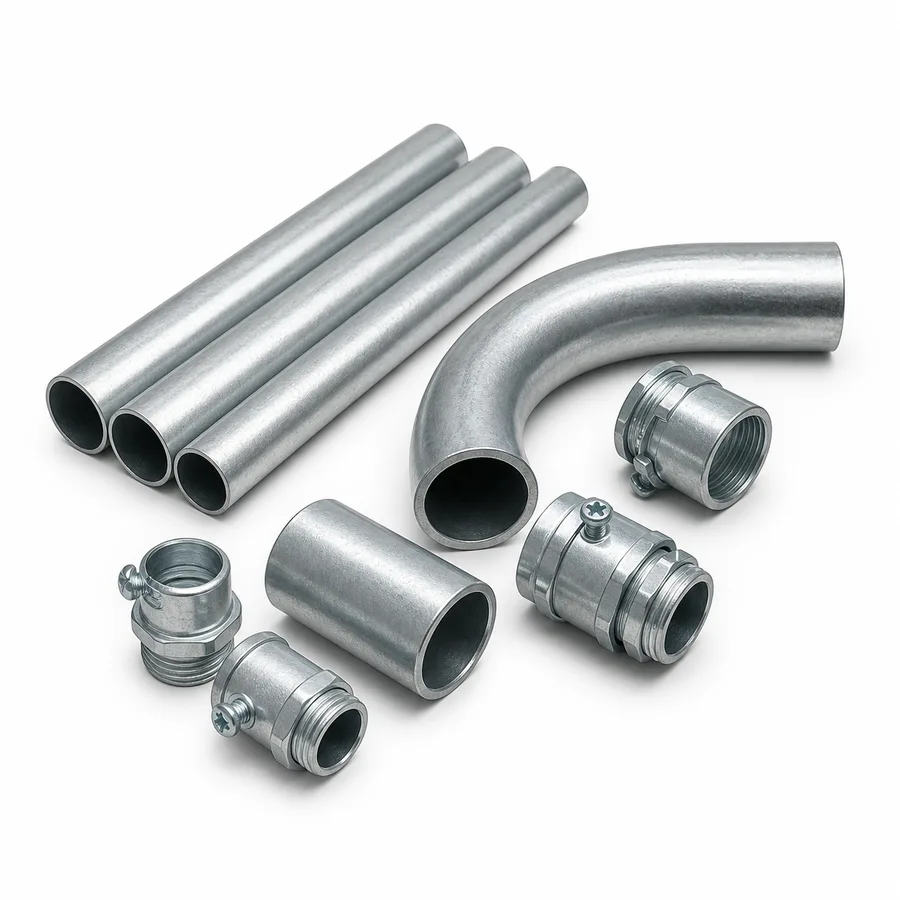
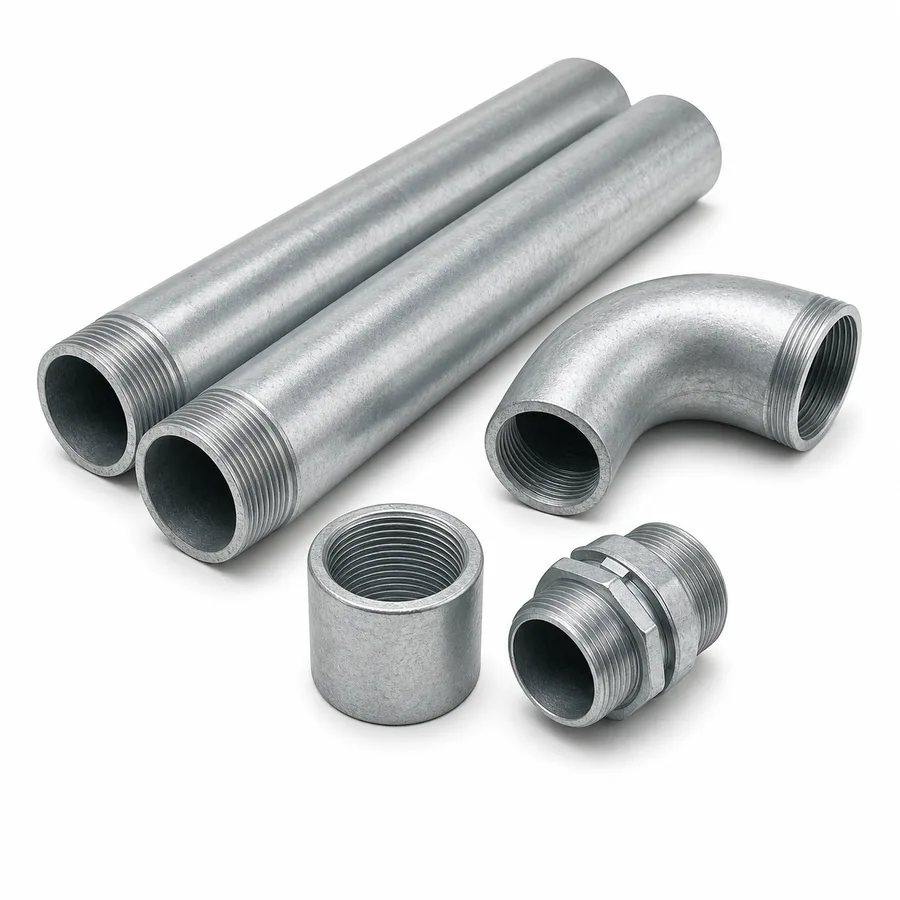
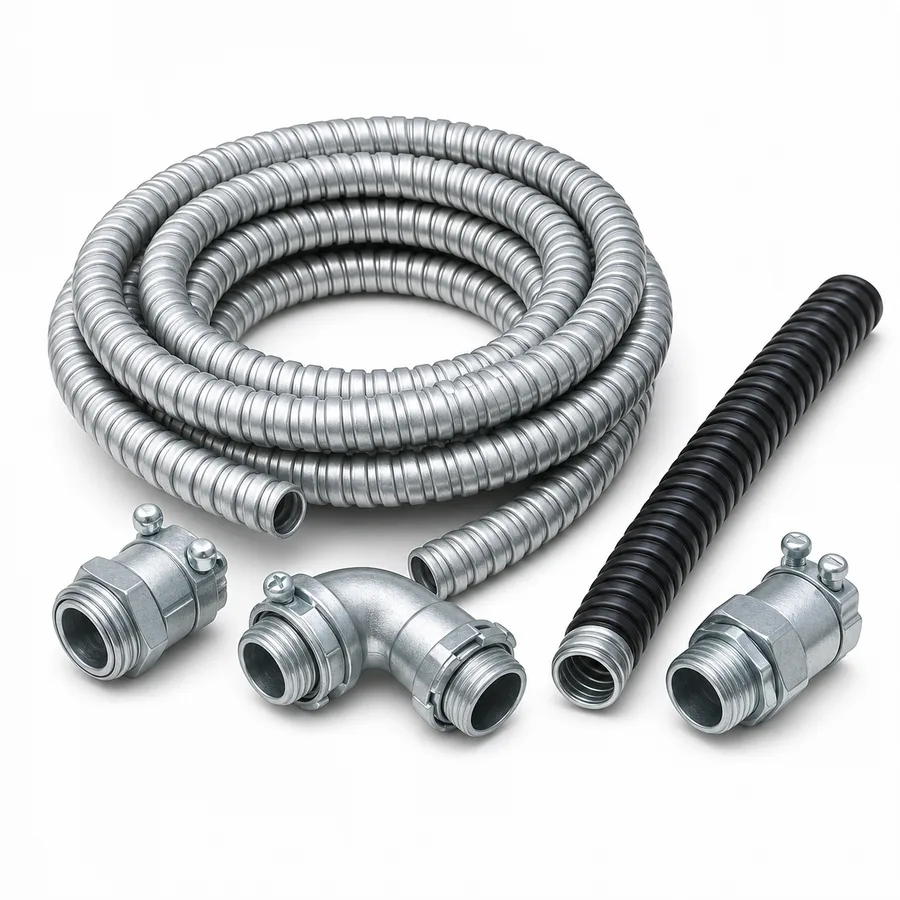
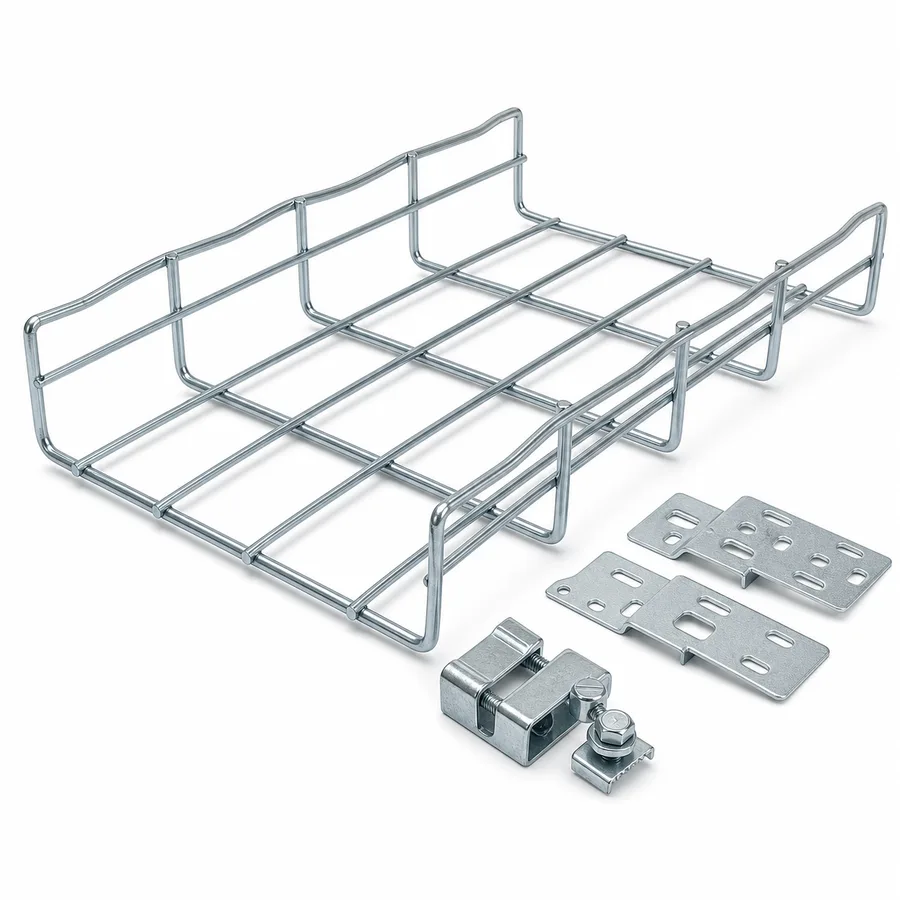
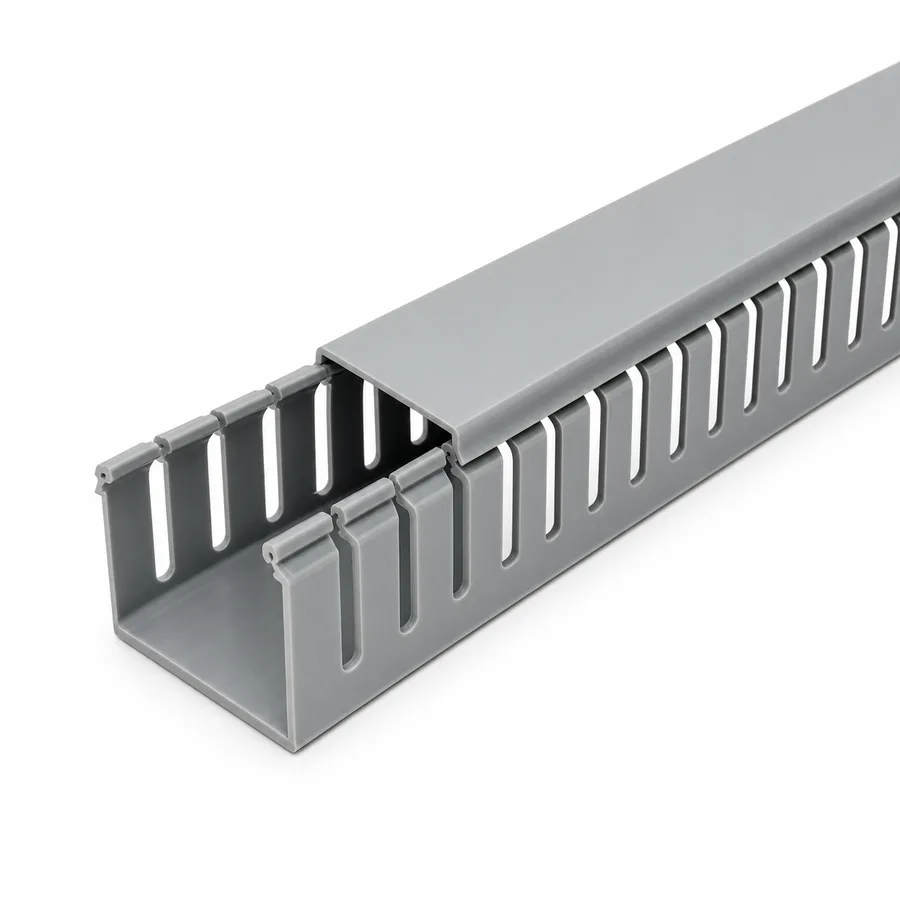
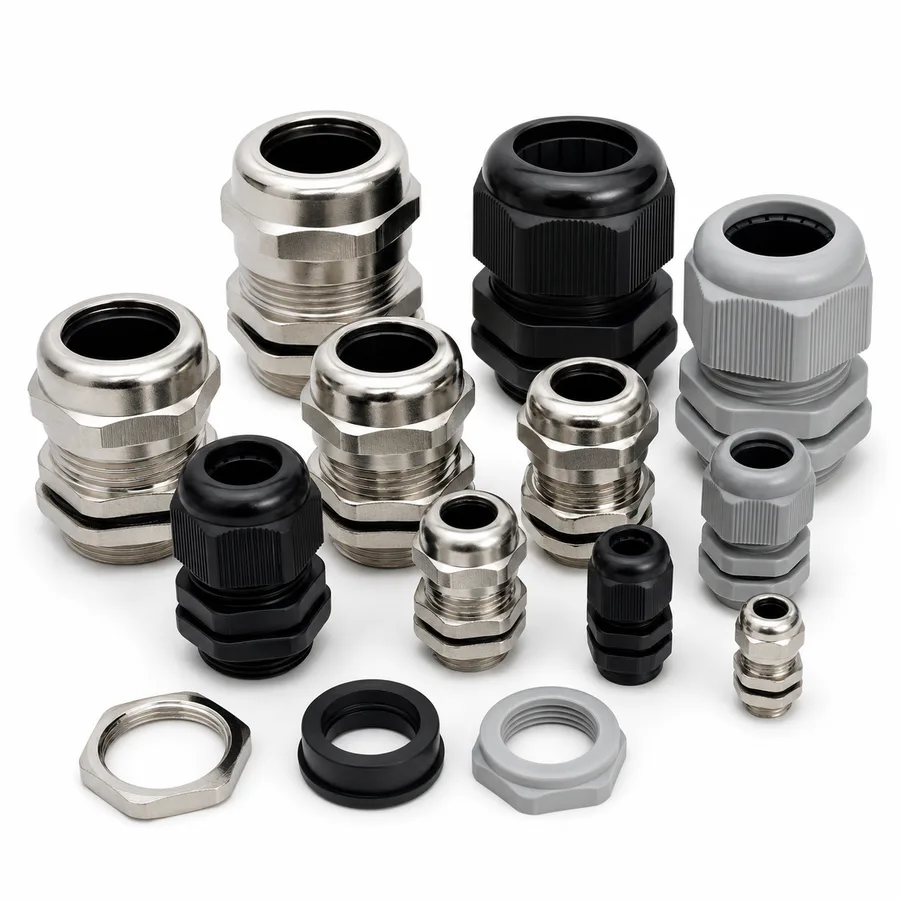
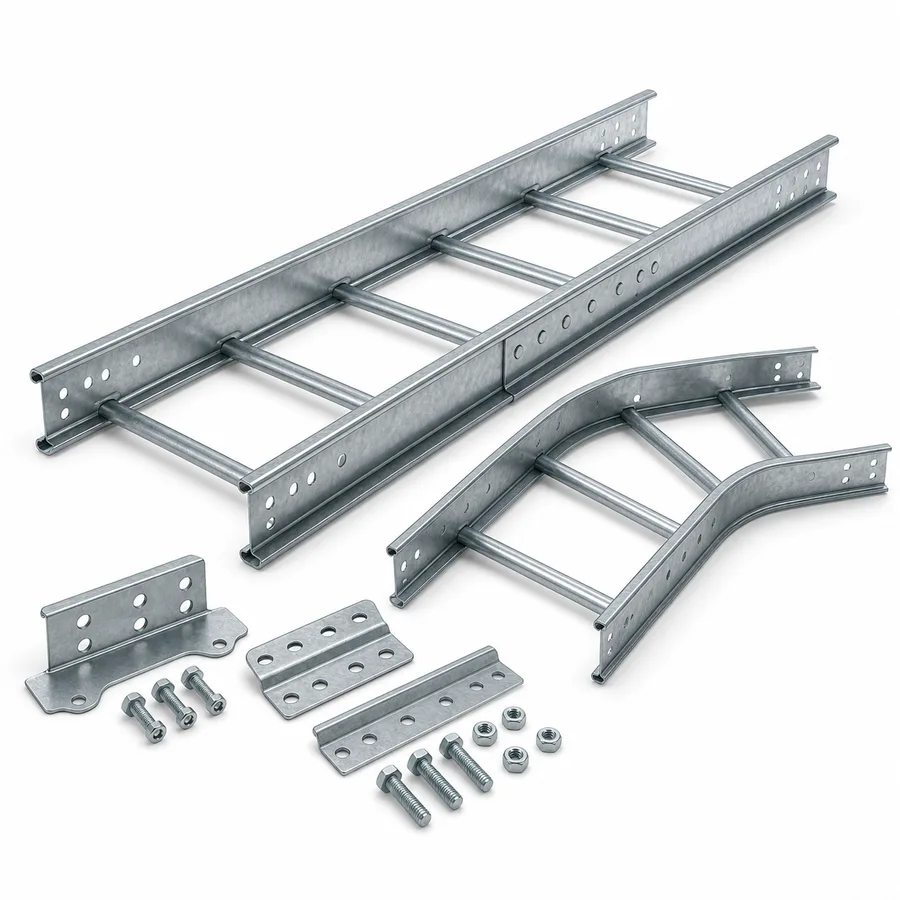
Galvanized ladder-type cable tray with horizontal and vertical bends, ducts and profiles, for heavy power cable runs.
Tell us the reference or key specification (current, power, gauge, size), quantity and city — a technical advisor sends your quote the same business day.
Ladder cable tray is a two-side-rail tray with galvanized steel rungs per NEMA VE 1 and IEC 61537, for heavy power cable runs per NTC 2050 article 392. Installation follows NEMA VE 2 practices, with prefabricated horizontal and vertical bends and reducers.
The ladder-type cable tray is an open support system for main electrical cable runs, especially power cables, feeders and industrial routes where structure, ventilation and inspection access are required. At TECTUL it is quoted as a galvanized line with horizontal and vertical bends, ducts and profiles, according to the actual catalog data. Its key difference compared with wire mesh cable tray is load and application focus: ladder tray is used more often on main routes and heavy runs, while mesh is practical for lighter cabling, frequent branches and quick changes. Compared with EMT or IMC conduit, ladder tray does not enclose each conductor in a pipe; it organizes several cables along a common route, provided the electrical design, segregation, support and mechanical protection allow it. To specify it, review environment, finish, load per span, width, accessories, grounding/earthing and IEC 61537 cable tray system criteria together with the applicable project requirements in Colombia.
We dispatch to Bogotá, Medellín, Cali, Barranquilla and all of Colombia. Request a quote via WhatsApp for ladder-type cable tray with width, route, accessories, finish and delivery city.
| Component | Function |
|---|---|
| Straight section | Side rails + rungs; commercial widths 150 – 900 mm, depths 100 – 150 mm (catalogs) |
| 45° / 90° horizontal bend | Direction change in plane |
| Inside / outside vertical bend | Rises and drops preserving cable bending radius |
| Reducer and splice | Width change and joining with bolted plates |
Systems built to NEMA VE 1 (installed per NEMA VE 2) and IEC 61537, hot-dip galvanized to ASTM A123 for outdoor service. Typical support spans run 2.4 to 6 m depending on the manufacturer's load class.
It depends on width, finish, accessories, supports, bends and quantity. TECTUL quotes via WhatsApp according to the project drawing or list.
It is used to support main cable runs, especially industrial power and feeder cables, with ventilation and accessible inspection.
Ladder tray is used more for main or heavy runs. Mesh tray is more flexible for light or medium cabling with frequent branches.
Not always. Tray organizes several cables along a common route; EMT and IMC protect conductors inside conduit. The choice depends on the design.
Supports, straight sections, bends and couplers are installed; alignment, continuity and load capacity are verified before laying cables.
Send route length, width, accessories, bends, support type, required finish, delivery city and drawing if available.
Per the manufacturer's load class under NEMA VE 1: typical spans run 2.4 to 6 m; higher load per meter and longer spans demand a higher structural class of tray.
Only with separation: NTC 2050 article 392 requires barriers or separate trays to keep power apart from instrumentation and control, and fill must respect the code's maximum areas.
Updated: July 22, 2026